Image Credit: Unsplash
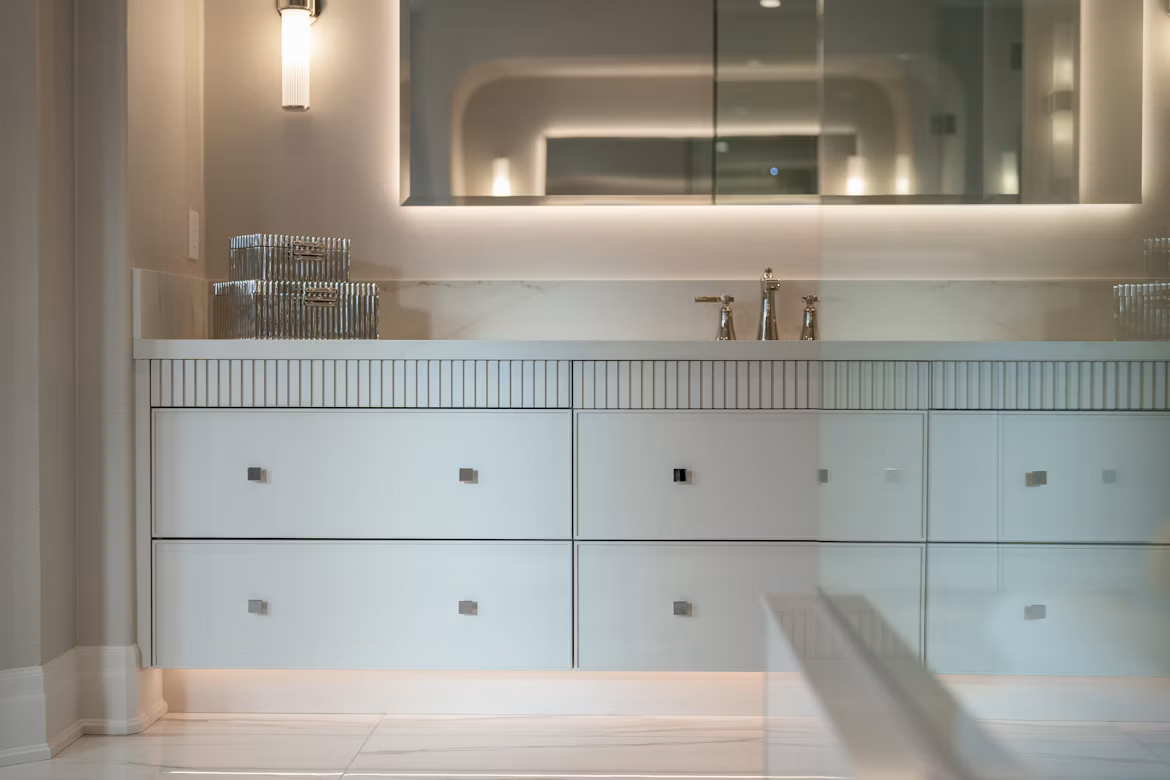
A purpose-built beauty vanity gives every daily-use item a practical home while creating a comfortable place to get ready. Unlike a standard bathroom cabinet or dressing table, it can account for your collection, preferred routine, available light and room dimensions. The result is a calmer setup that saves time without making the bedroom or bathroom feel clinical.
The Mental Toll of Morning Clutter
Visual clutter adds small decisions to a routine that should feel straightforward. When brushes, skincare products and hair accessories compete for bench space, you spend time searching, shifting items and checking drawers. That friction can make an already busy morning feel rushed.
Start by identifying what you use every day, every week and only occasionally. Daily products deserve the easiest positions, while backup items can sit in deeper drawers. If the wider room needs attention first, this practical guide to keeping clutter away offers a useful starting point. A vanity works best when its storage reflects your real habits, not an idealised routine you rarely follow.
Why Standard Vanities Miss the Mark
Ready-made vanities usually come with fixed drawer sizes, generic shelves and limited options for seating. A shallow drawer may suit lip products but struggle with tall bottles, while a deep cupboard can quickly become a jumble of small containers. Poorly placed drawers may also knock against your knees when you sit down.
If an off-the-shelf unit leaves awkward gaps or wastes valuable wall space, local cabinet makers can design cabinetry around the room and the way you get ready. Before settling on dimensions, review practical makeup vanity measurements, including knee clearance and comfortable bench height. Measure your chair or stool too, since it should tuck away without blocking drawers.
Partnering with Skilled Joinery Experts
Bring your joiner a simple inventory, room measurements and a few photos of the space. Explain where you apply makeup, style your hair and store spare products. These details help determine drawer depth, mirror position and access to power points. They also reveal practical issues that can be missed in a sketch, such as a drawer colliding with a nearby door.
Ask to see material samples in the room before approving the design. Colours can look different under warm bedroom lighting and bright bathroom lighting. Moisture-resistant finishes, easy-clean drawer liners and durable runners are sensible choices for areas exposed to cosmetics or steam.
Smart Layouts for Beauty Collections
Organise the layout according to frequency and product height. A slim top drawer can hold brushes, pencils and small palettes in divided trays. Deeper lower drawers suit hair tools, large bottles and refill products, while a narrow upright compartment keeps sprays visible and prevents spills.
Place the mirror where daylight reaches your face evenly, avoiding strong light from directly behind you. If natural light is limited, use soft lighting on both sides of the mirror to reduce shadows. Keep powered appliances near a suitable outlet and follow local electrical requirements, especially in bathrooms.
Leave some spare capacity in each drawer. A vanity packed tightly from day one becomes difficult to maintain as products change and replacements arrive.
The best final check is simple: sit at the proposed vanity height and mime your usual routine. Reach for an imaginary brush, open the planned drawers and check your knees, elbows and sightline. Those few minutes can reveal more than a polished drawing and help create a vanity that still feels easy to use years later.