Image Credit: Unsplash
A backyard studio works best when every design choice supports the work you plan to do inside it. Before ordering materials, check local planning rules, measure the available site, and set a realistic budget that includes professional labor, utility connections, and interior finishes. Early decisions about access, drainage and power will affect the building’s cost and comfort, so resolve them before construction begins.
Define the Creative Workflow First
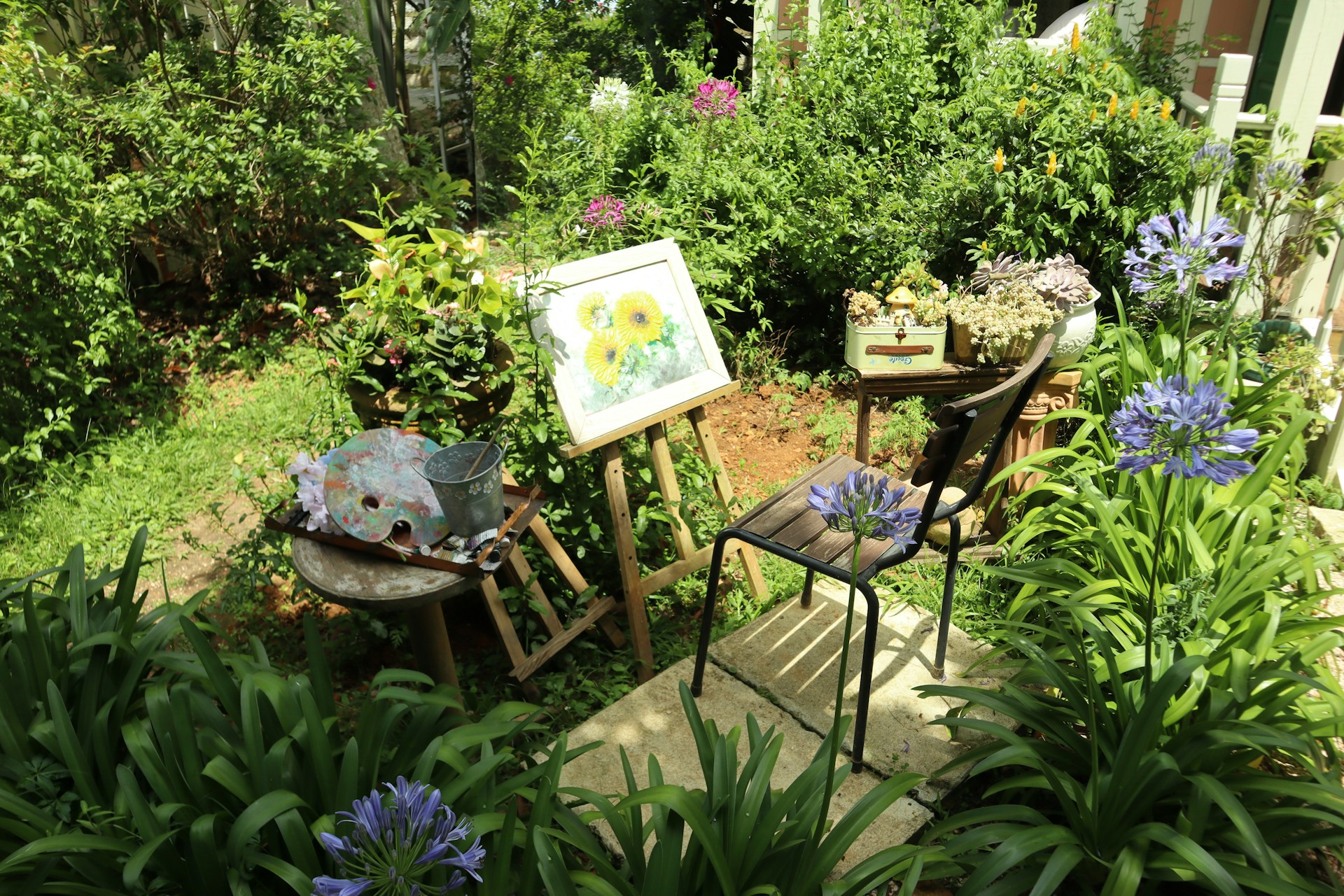
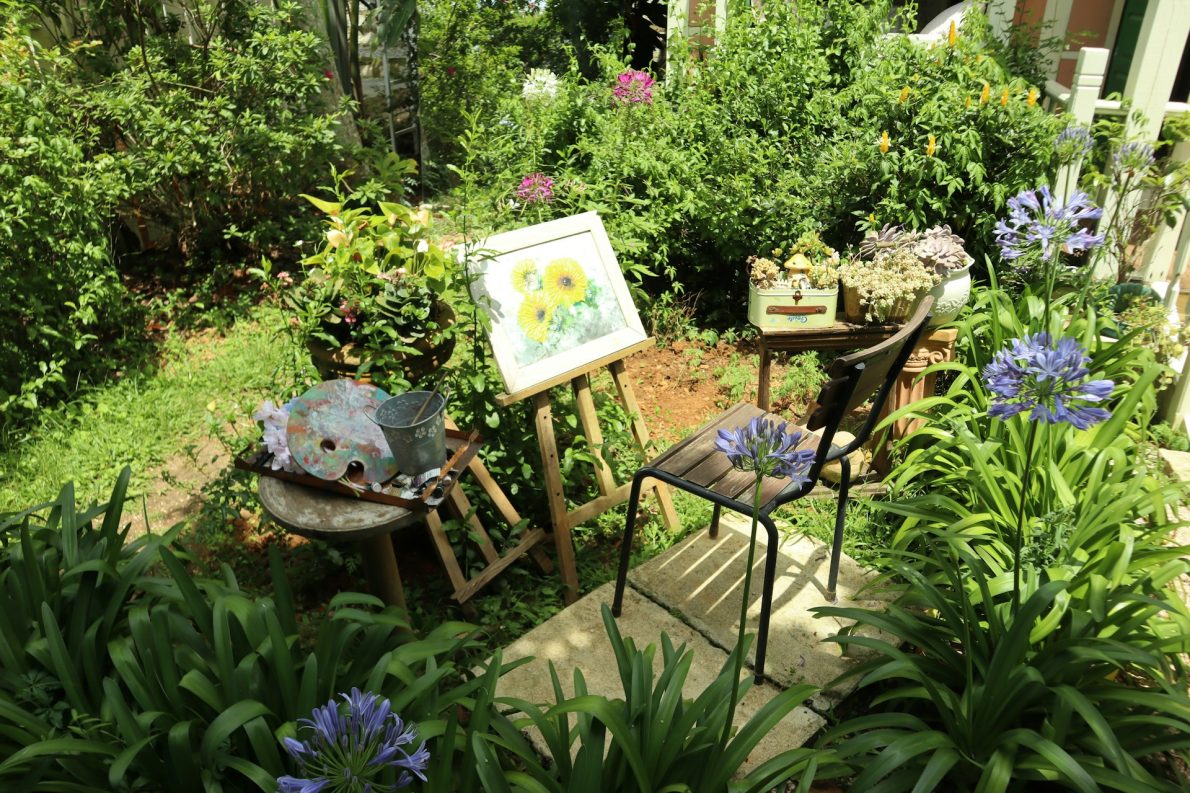
Write down how you expect to use the studio during a typical week. A painter may need a deep sink, washable surfaces and space for large canvases, while a designer may prioritize several outlets, dependable internet and an ergonomic desk area. The room should also accommodate storage without shrinking the main work zone.
Mark furniture and equipment positions on a scaled floor plan. Leave clear paths between the entrance, work surface and storage. Reviewing a detailed backyard studio build can help you identify practical decisions that basic floor plans often miss, including door placement and built-in storage. If clients will visit, plan a separate chair and a tidy background for meetings or video calls.
Pouring a Solid Base That Lasts
The foundation must suit the building’s weight, soil conditions and drainage pattern. A concrete slab provides a level, durable floor for heavy tables, shelving and equipment, but its thickness and reinforcement should be specified by a qualified professional. Before pouring, confirm the locations of electrical conduits, plumbing lines and floor drains because later changes can become expensive.
Ground preparation matters just as much as the mix. Remove organic material, compact the sub-base and direct surface water away from the studio. Project teams and contractors in the Greater Darwin area can review the concrete supply and delivery information when planning residential slab work. Allow for curing time in the schedule, and don’t install finished flooring until moisture conditions meet the product manufacturer’s requirements.
Balancing Natural Light and Acoustics
Place windows according to the tasks performed inside. Consistent indirect daylight suits painting, sewing and product photography, while direct afternoon sun can create glare and raise indoor temperatures. Roof overhangs, exterior shades and adjustable blinds give you more control throughout the day. A high window can bring in daylight while preserving wall space for shelves or artwork.
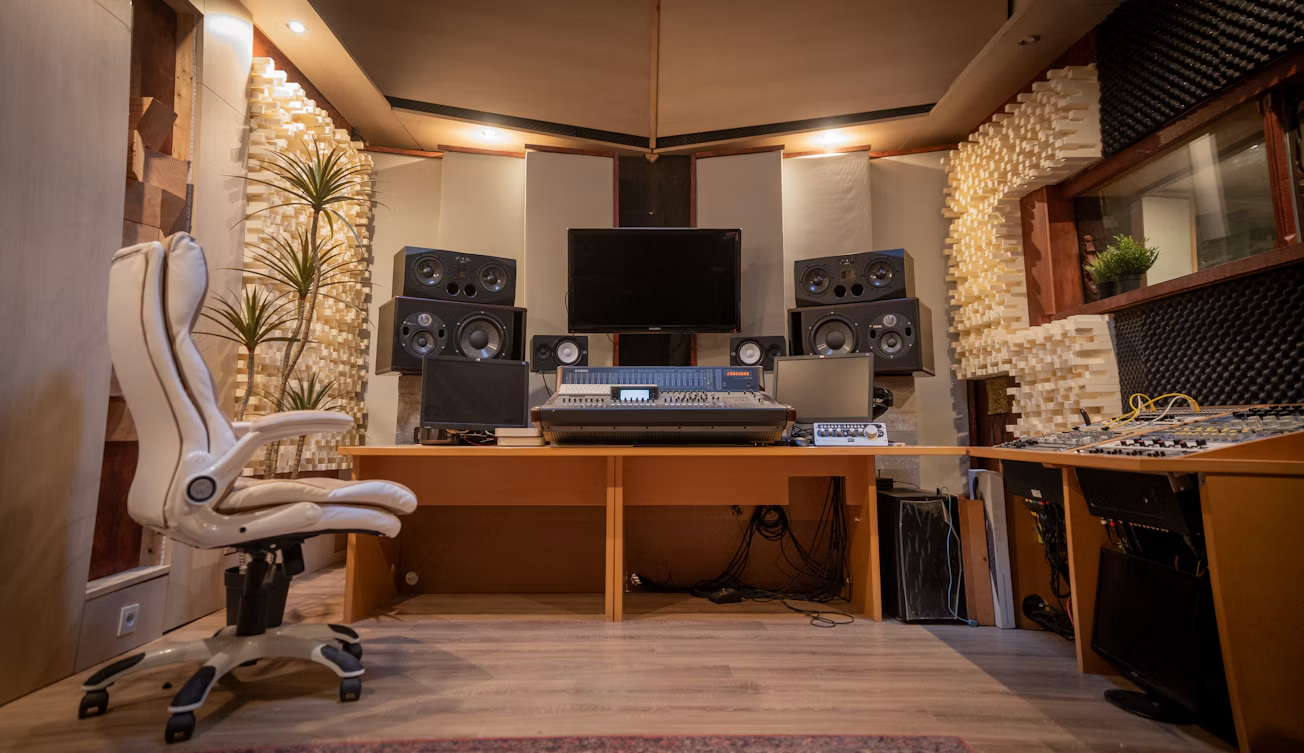
Sound requires equal attention. Insulation in wall and ceiling cavities can reduce outside noise, while rugs, curtains and fabric panels soften echoes within the room. Seal gaps around doors and windows because even a narrow opening can carry surprising amounts of sound. If the studio will host calls, recordings or lessons, test the room at the noisiest time of day before deciding where to place the desk or microphone.
Smart Ventilation for Creative Work
Plan for fresh air even if the studio has operable windows. Cross-ventilation works best when openings sit on different walls, allowing air to enter on one side and leave on the other. In hot or humid weather, a ceiling fan and an efficient heating and cooling unit can keep conditions stable without taking up much floor area.
Some creative processes produce dust, heat or odors that need targeted extraction. Position an exhaust fan close to the work area and discharge it outdoors in line with local requirements. This illustrated artist studio project offers useful construction context for readers comparing practical layouts. Keep air intakes clear of compost bins, parking areas and other odor sources and choose insect screens that can be removed for cleaning.
A successful studio should feel easy to use from the first working day, especially when you create an outdoor work haven. Before signing off on the plans, tape the proposed layout onto the ground at full scale and walk through one complete task, from collecting supplies to cleaning up. That simple rehearsal can reveal an awkward doorway, missing outlet or cramped storage corner while each one is still easy to fix.