Image Credit: Unsplash
Moving into a new home feels far more manageable when you handle the practical jobs in a clear order. Before boxes take over every room, focus on the tasks that improve cleanliness, security and everyday comfort. For more guidance, explore these important steps to take after moving into a new home.
Keep essential supplies in one clearly labeled container and use a simple new homeowner checklist to track what you’ve completed. The following priorities will help you settle in without overlooking details that become harder to address once furniture and belongings fill the space.
Clean and Refresh the Space
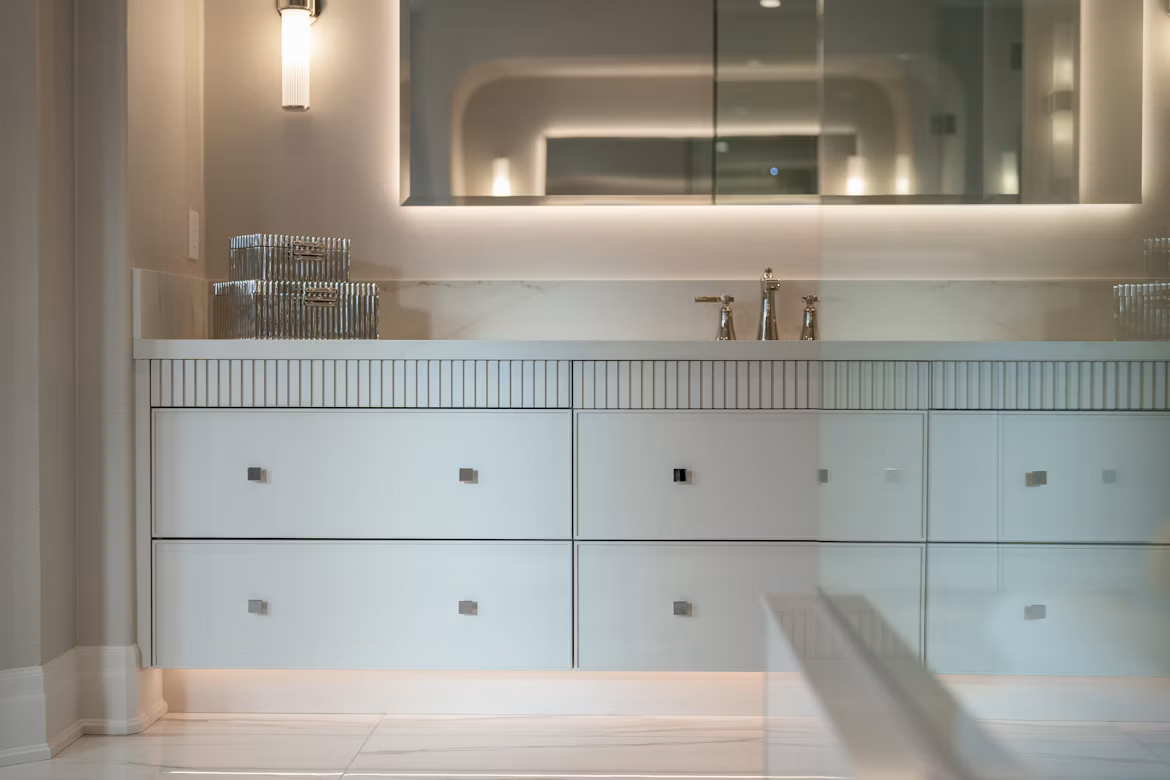
Clean empty rooms before unpacking, since bare floors and open cabinets are much easier to reach. Wipe down shelves, sanitize kitchen and bathroom surfaces and vacuum inside closets. Replace worn toilet seats if needed and check areas that previous occupants may have missed, such as the tops of door frames and the space behind appliances.
This is also a good time to install fresh air-conditioning filters, test exhaust fans and look under sinks for signs of moisture. Photograph any existing marks or damage if you’re renting. Once the surfaces are dry, open a few windows for ventilation and place shelf liners before filling cabinets.
Rekey Every Exterior Entryway
Arrange to have exterior locks rekeyed soon after receiving the property keys. You may have been given every known copy, but previous residents, contractors or house sitters could still have spares. Rekeying changes the internal lock settings so old keys stop working.
Walk around the property first and count every keyed entrance, including side doors, garage access doors and detached structures. A qualified locksmith can assess existing locks, rekey suitable ones and identify hardware that needs repair or replacement. Ask for enough labeled copies for household members, then store the spare in a secure place. Avoid leaving it under a mat, inside a planter or anywhere else that’s easy to check.
Map Out Emergency Exits
Identify at least two ways to leave each sleeping area and make sure windows open without sticking. Everyone in the home should know which doors lead outside, where to meet after evacuating and how to help children or household members with limited mobility.
Test smoke and carbon monoxide alarms according to the manufacturer’s directions, replace weak batteries and record the next test date on your calendar. Keep hallways, stairs and exit doors free from boxes during the move. You should also locate the electrical panel, main water shutoff and gas shutoff if the property has one. Labeling these points now saves valuable time during a leak, outage or other urgent problem.
Unpack for Calm and Cohesion
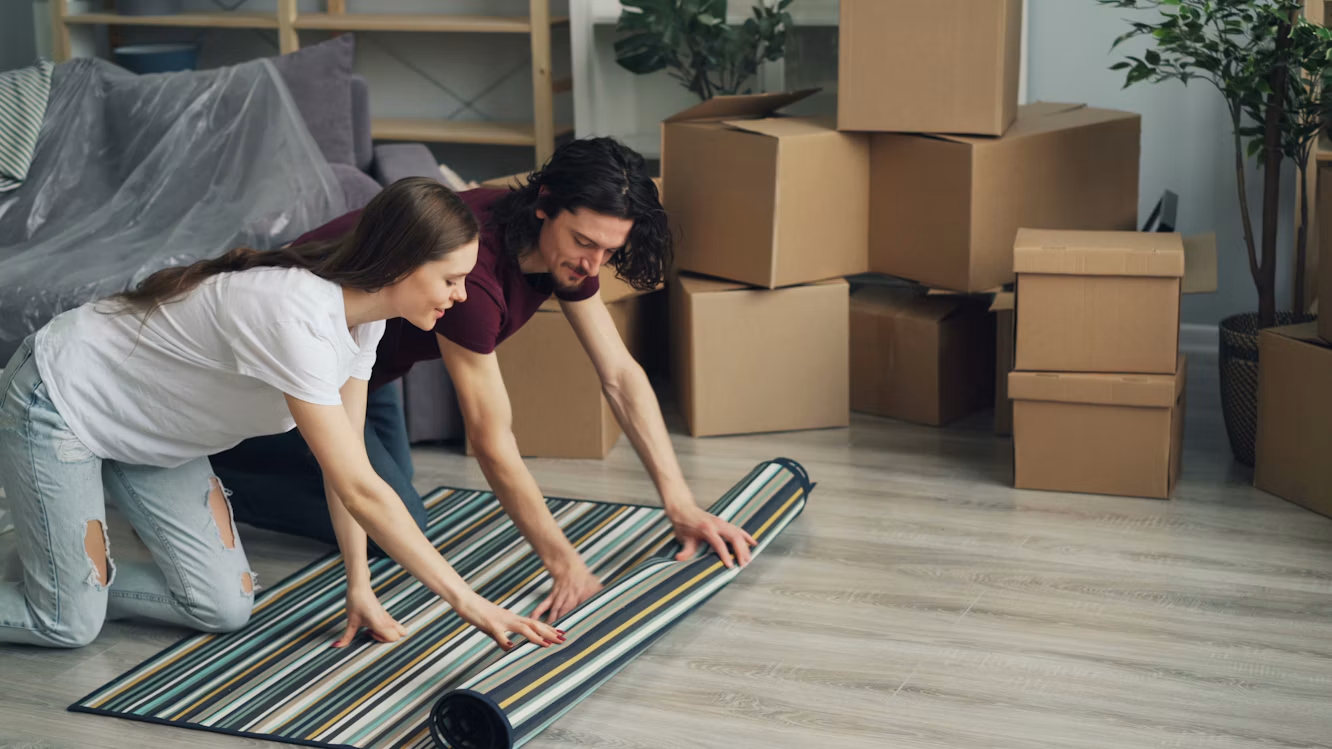
Set up the rooms that support your first 24 hours before tackling decorative items. Make the beds, unpack bathroom supplies and create a basic kitchen station with drinking glasses, plates, utensils and a few easy meals. A dedicated first-night house checklist can keep medication, chargers, towels and pet supplies from disappearing into the wrong box.
After that, unpack one complete zone at a time. Start with frequently used storage, such as the entry closet or kitchen drawers, and group similar items together. Give keys, mail and bags permanent places near the entrance. This approach reduces visual clutter and helps the home feel functional even while a few boxes remain.
Before ending the first day, check that every exterior door latches properly, leave a clear route through each room and set out what you’ll need the next morning. Waking up to working essentials and uncluttered walkways makes the new address feel like home much sooner.