
Image Credit: Unsplash
A beautiful outdoor space can quickly become another source of stress when poor layouts, limited privacy, constant maintenance, and uncomfortable surroundings make it difficult to relax. Rather than escaping somewhere else to recharge, imagine having a peaceful retreat just steps from your home, where you can unwind, reconnect with nature, and enjoy every season.
Discover how thoughtful planning, restorative landscaping, and the right design choices can help you create your ideal outdoor sanctuary.
Define Your Daily Relaxation Rituals
Start by listing the moments when you’re most likely to use the space. You might want a quiet breakfast spot, a place for afternoon stretches, or a comfortable area where the family can unwind after dinner. These routines will guide every design decision, from seating orientation to lighting.
The core wellness sanctuary elements include thoughtful light, calming colors, and natural materials. Apply those ideas according to your habits. If you read outside at dusk, plan for a supportive chair and a warm task light. If meditation helps you reset, reserve a small, uncluttered corner away from household noise.
Map the Flow Between Indoors and Nature
Walk through your home as if the outdoor sanctuary already exists. The route from the kitchen or living room should feel direct and inviting, without furniture, storage, or awkward steps blocking the way. Repeating an interior color or flooring tone outside can also create visual continuity.
Think about what you’ll carry through the space. Towels need nearby storage, drinks need stable surfaces, and wet feet need slip-resistant paths. Large doors and clear sightlines help the garden feel connected to the home even during bad weather. If screens and devices regularly interrupt your downtime, these ideas for a digital detox in nature can help you shape a more intentional outdoor routine.
Collaborate With Experienced Pool Builders
Speak with qualified Pool Builders early if swimming, hydrotherapy or a spa will anchor the sanctuary. Homeowners in Wagga Wagga and the Riverina can discuss custom in-ground fiberglass or concrete pools, plunge pools and spas based on their yard, maintenance preferences and available space.
Bring practical details to the first consultation, including a site plan, approximate budget and notes about when the area receives sun. Ask how drainage, access, fencing and equipment placement will affect the wider design. A compact plunge pool may preserve more room for plants and seating, while a larger pool could suit regular lap swimming. Early coordination also prevents paving, plumbing and landscaping plans from competing later.
Choose Restorative Textures and Plantings
Select surfaces that feel pleasant underfoot and can handle exposure to sun and water. Textured stone, outdoor-rated timber and matte pavers can add warmth without making the area visually busy. Test samples outside because colors often look much brighter in direct sunlight than they do in a showroom.
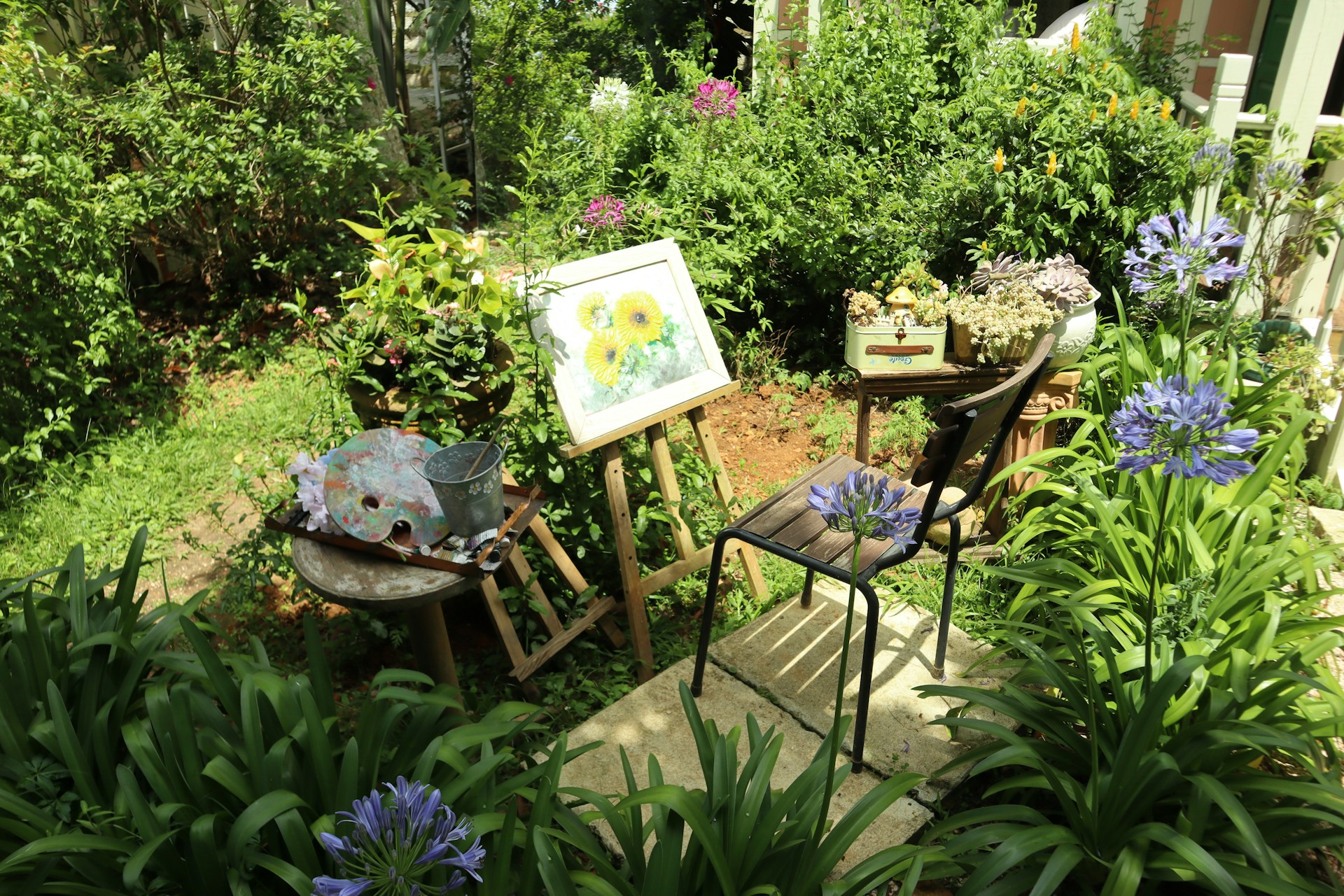
Use plants to soften boundaries and create privacy. Layer a taller screen behind medium shrubs and low ground cover, leaving enough space for mature growth. Lavender, jasmine, or other locally suitable fragrant plants can add a gentle sensory cue near seating, but keep strong scents away from dining areas. Shade trees and pergola vines may also reduce heat, provided their roots and falling leaves won’t create ongoing problems near paved or aquatic areas.
Maintain Harmony With Minimalist Upkeep
A sanctuary loses some of its appeal when every visit reveals another chore. Choose washable cushion covers, weather-resistant furniture, and simple garden beds with accessible irrigation. Keep frequently used items in a ventilated outdoor cabinet so the area can be reset in a few minutes.
Designing a year-round home sanctuary also means planning for seasonal conditions. Add adjustable shade for summer, soft lighting for shorter winter days, and a sheltered seat for breezy weather. Schedule one brief maintenance check each week to clear leaves, wipe surfaces, and inspect plants. Seasonal servicing can cover larger tasks.
The most useful finishing touch is a clear view from your favorite seat. Frame a leafy corner, a reflective water surface, or one sculptural plant, then leave enough open space around it for the eye to rest.