Image Credit: Unsplash
A plastic-free kitchen can cut everyday waste, simplify shopping and reduce your reliance on disposable packaging. Refillable containers and reusable produce bags are useful changes, but household sustainability reaches far beyond the items beside your sink.
Energy use, transport choices and long-term purchasing habits can have a much larger environmental impact. Homeowners looking for practical ways to start can explore these ideas for going green in your home. Once your kitchen routine is working well, the next step is to look at the systems that keep your home running and the resources those systems consume.
The Limits of Consumer Swaps
Start with practical changes you can maintain. Glass storage containers, cloth shopping bags and loose produce are sensible options. Still, replacing every plastic item can create waste of its own. Throwing away usable containers to buy matching glass jars sends functional products to landfill early, when switching to plastic-free cleaning products is a giant step toward reducing your footprint. Keep safe items for as long as they work, then replace them when they wear out.
Look beyond the material, too. A reusable product made overseas, shipped long distances and rarely used may carry a higher footprint than expected. Durability and frequency of use matter. Choose items that solve a real problem in your home and resist the pressure to turn low-waste living into another shopping trend.
Energy Footprints in Daily Life
Household energy is easy to overlook because its environmental cost stays hidden behind switches and monthly bills. Refrigeration, water heating, air conditioning and clothes drying can consume far more resources than a handful of food containers.
Check your energy bills across a full year to identify seasonal peaks. In a warm month, cooling may be the main driver. During cooler periods, long hot showers and inefficient heating can push consumption higher. Simple measures such as sealing drafts, washing clothes in cold water and using appliances during cooler hours can reduce demand.
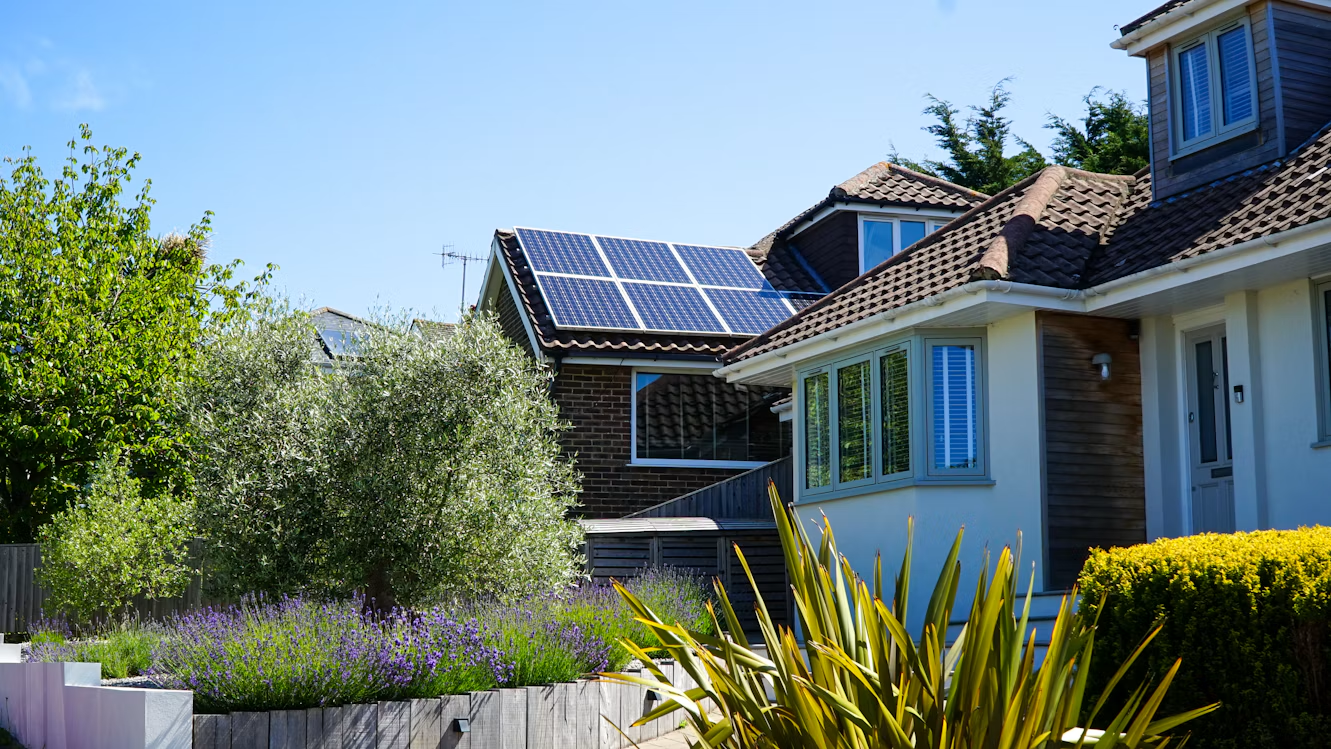
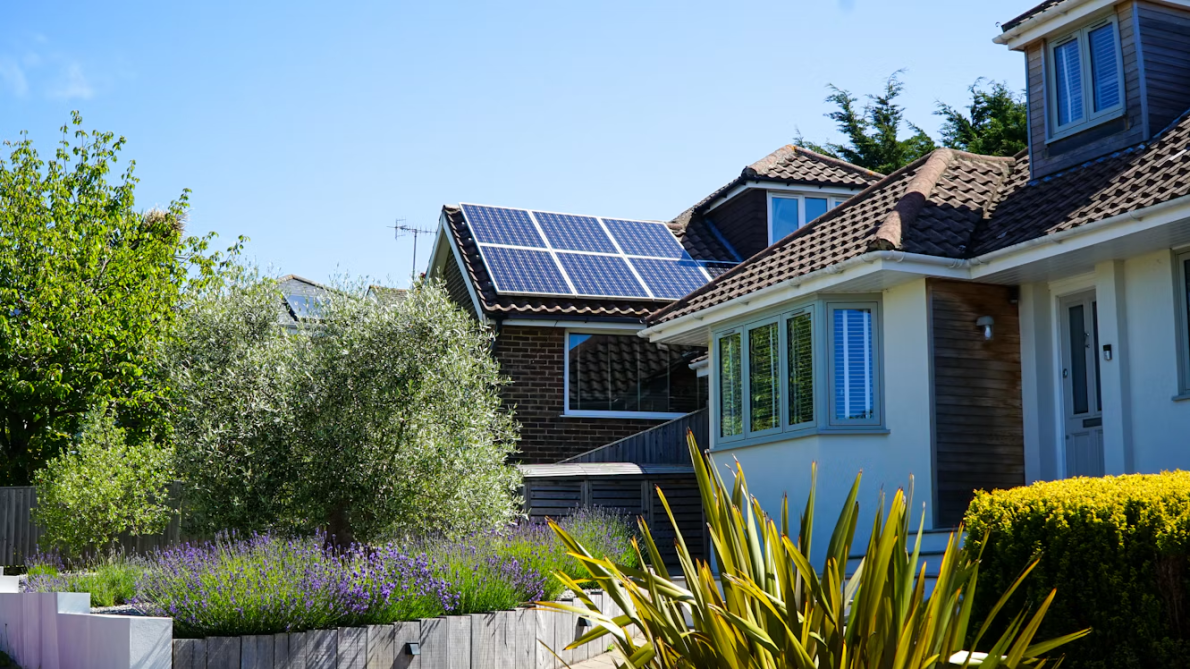
Homeowners in Byron Bay who want to lower bills and rely less on the grid can also assess whether professionally installed solar suits their property. Roof condition, shade, household consumption and future energy needs should all form part of the consultation.
Investing in Independent Clean Energy
Clean energy works best when you understand how and when your household uses power. Before making a major investment, collect several months of bills and note when high-demand appliances operate. A home that is empty all day has a different usage pattern from one with remote workers, daytime cooking and regular laundry loads.
Ask prospective installers to explain expected annual generation, component warranties, system monitoring and maintenance. Estimates should account for roof orientation and shade from nearby trees or buildings. If a proposal assumes perfect conditions, request a more realistic projection.
Efficiency upgrades can also improve the value of an energy system. Replacing a failing refrigerator with an appropriately sized efficient model reduces baseline demand. Insulation, ceiling fans and external shading may lower cooling needs without requiring major changes to daily comfort.
Rethink Long-Term Resource Use
A lower-waste home depends on repeated habits more than a perfectly curated set of products. Repair appliances when the cost and expected lifespan make sense. Borrow tools that you’ll use once and choose secondhand furniture when it meets your needs. A detailed plastic-free living guide can help you identify further changes without trying to tackle everything at once.
Food deserves similar attention. Plan meals around ingredients already in the refrigerator, freeze leftovers before they spoil and store produce where you’ll see it. These habits protect the energy, water and labor used to grow and transport food.
For larger purchases, consider the total years of service. A durable appliance with available replacement parts can cost more upfront, yet avoid several premature replacements. Keep receipts, warranty details and maintenance dates together so useful products stay in service longer.
The best sign of progress may be a quieter household routine: fewer overflowing bins, lower energy demand and purchases that happen only when something is genuinely needed. Let each well-used jar serve as a reminder to examine the larger systems behind your home.