Image Credit: Unsplash
A home can look beautifully designed yet still make everyday tasks unnecessarily difficult. Awkward storage, confusing layouts, blocked walkways, and hard-to-reach essentials create small frustrations that quickly add up, turning simple routines into constant workarounds. Discover how principles from user experience design can help you create a more intuitive home, where thoughtful cabinetry, accessible storage, and clear visual cues make everyday living easier.
Digital Principles in Tangible Environments
UX designers study how people respond to visual cues and physical feedback. The field of tangible interaction takes this concept further by exploring how people engage with physical objects and their surroundings.
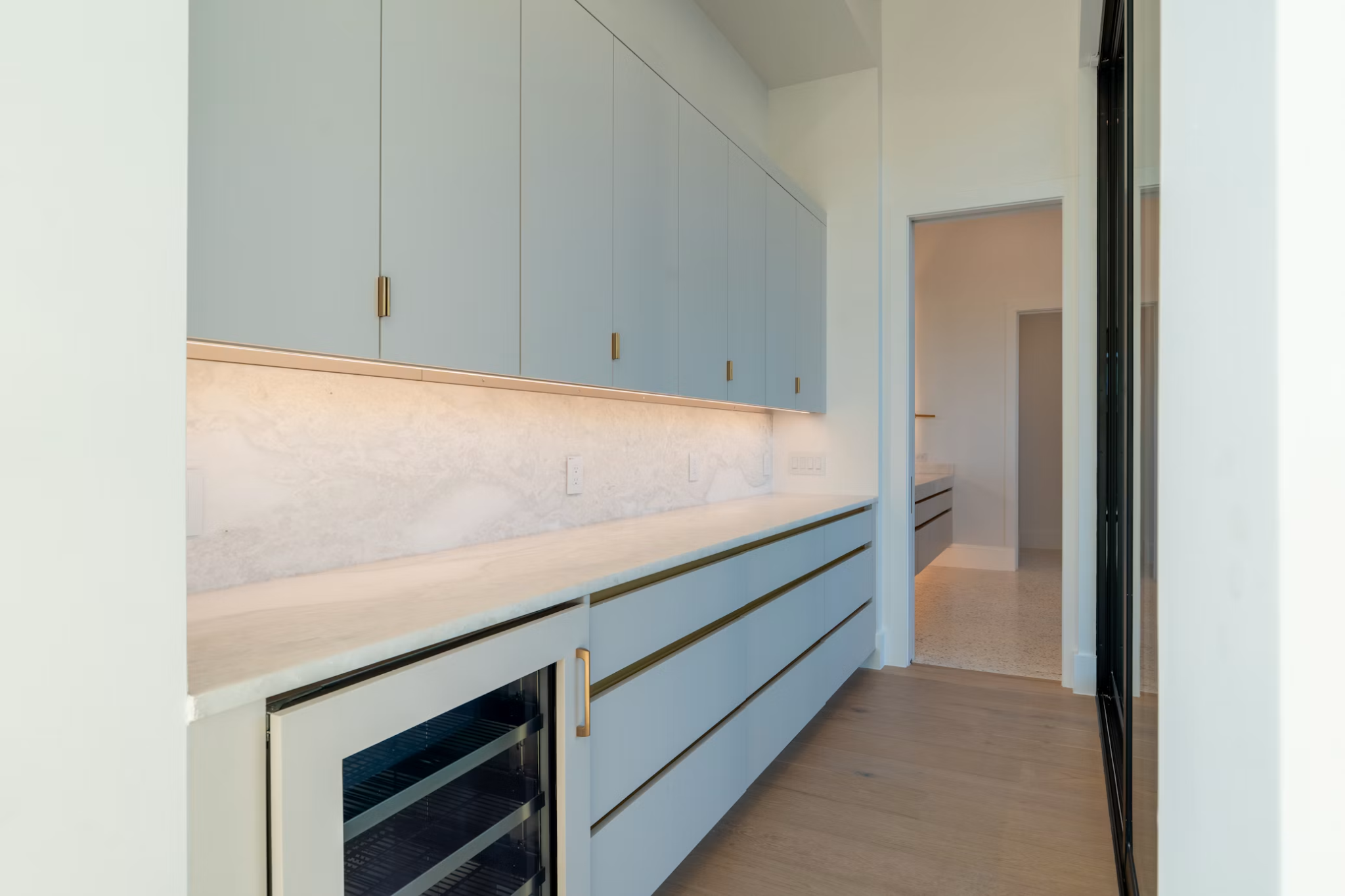
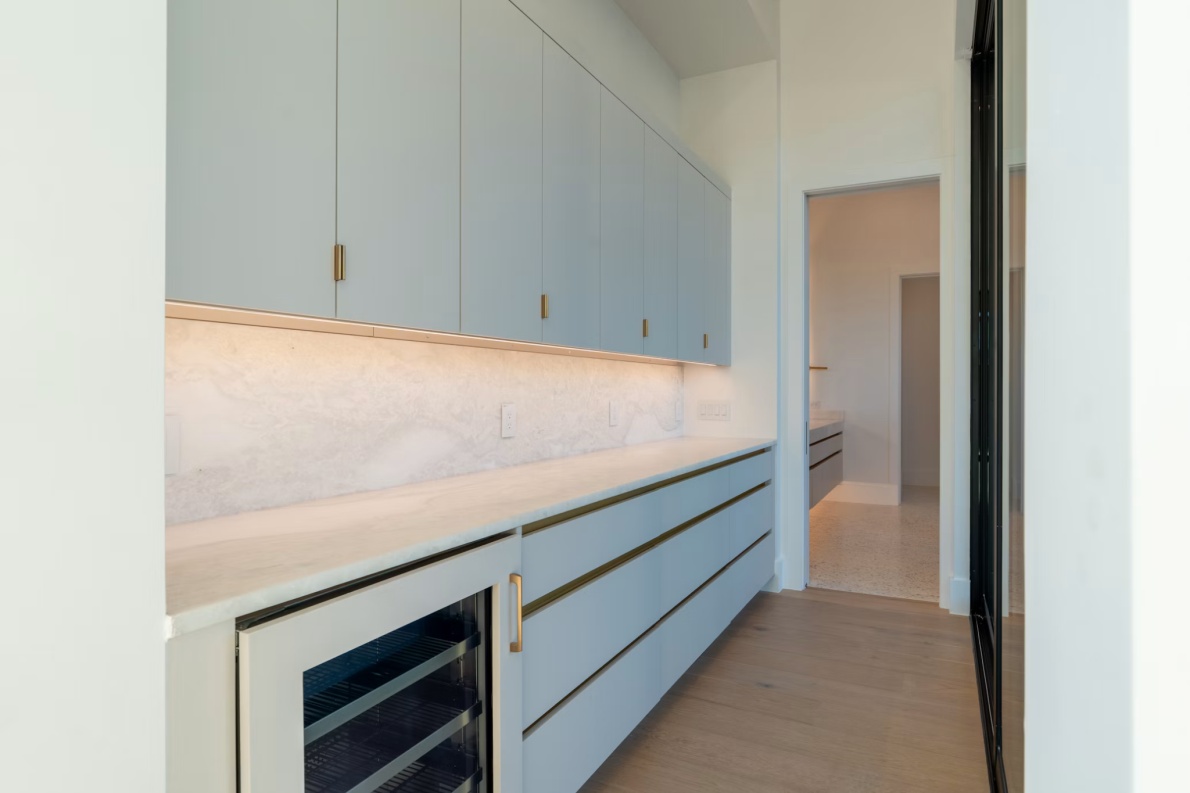
At home, a recessed cabinet handle indicates where to pull. A change in flooring can signal the transition from an entryway to a living area. Light switches positioned beside doorways make it easier to perform the actions people naturally expect when entering a room.
This connection also reflects a broader understanding of digital transformation beyond the screen, where digital principles influence how people interact with rooms, furniture, and everyday objects. These principles can also be applied to home design by paying closer attention to the cues and interactions that shape everyday routines.
You can apply this principle by observing your daily habits over several days. Note where bags tend to collect, which switches are difficult to find, and where doors interfere with movement. These small details can reveal where the environment fails to provide clear and intuitive cues.
Friction Points in Everyday Navigation
A wayfinding approach examines how people understand their location and identify the next logical step. Inside a home, wayfinding affects movement between counters, appliances, doors, and storage areas.
Repeated backtracking often exposes a layout problem. If preparing breakfast requires six trips between a pantry, refrigerator, and counter, commonly used items may sit too far apart. A narrow cabinet door that blocks a walkway creates another form of friction.
Sketch the path used for one routine, such as unloading groceries or getting ready for work. Homeowners in the Mackay region planning renovation cabinetry can also discuss these movement patterns with Cabinet Makers Mackay before settling on kitchen, bathroom or bedroom storage layouts.
Built-In Storage as User Interface
Built-in storage acts much like a digital interface. It organizes options, keeps high-priority items accessible, and hides things that would otherwise create visual noise. Its success depends on how closely the layout matches real behavior.
Start with frequency of use. Everyday plates belong between waist and shoulder height, while seasonal serving dishes can occupy a higher shelf. Deep drawers make pots easier to see than low cupboards where items disappear behind one another. In a wardrobe, an open shelf near the entrance can hold keys or a work bag without adding another piece of furniture.
Measure belongings before planning compartments. A drawer that’s a few inches too shallow may force utensils onto the counter, undoing the benefit of built-in organization.
Balancing Form with Intuitive Utility
Visual simplicity works best when it supports clear use. Handle-free cabinets may create a clean line, for example, but the opening mechanism should still be easy for guests and family members to recognize. Open shelving can make a room feel spacious, though it asks you to keep every displayed object organized.
Test key choices at full scale before installation. Mark cabinet edges on the floor with painter’s tape and check whether two people can pass comfortably. Use cardboard to represent an open drawer or door. This quick exercise can expose collisions that look harmless on a plan.
Materials matter too. Matte finishes can reduce visible fingerprints in busy kitchens, while contrasting drawer interiors make small objects easier to spot. Good form guides attention instead of competing for it.
The most useful test is a normal weekday. If you can enter the house, put away your belongings, and prepare a meal without awkward reaches or blocked paths, the space is giving you the same quiet guidance as a well-designed interface.