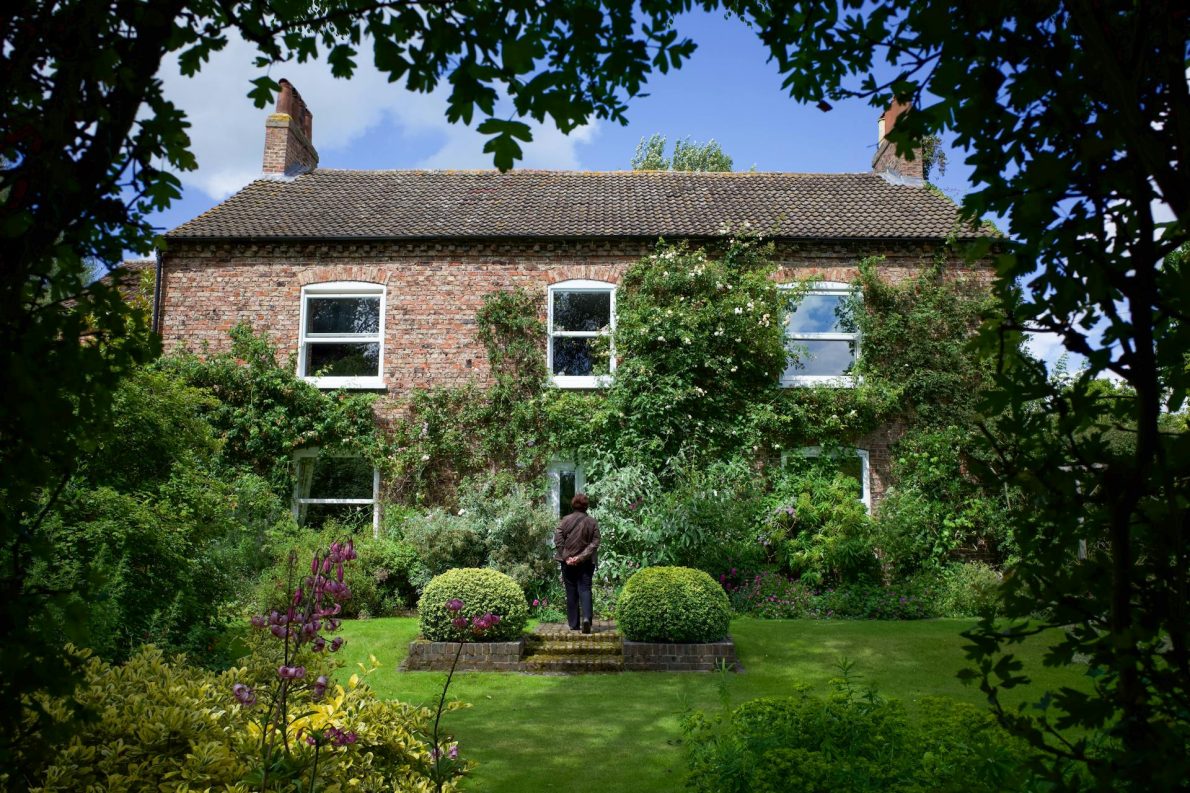
In many ways, you can consider the garden surrounding your home as an extension of your interior sensibility. This living canvas communicates your taste just like the furniture you choose or the art you hang on your walls does. However, numerous homeowners treat it as an afterthought, throwing down a strip of lawn and a few shrubs without any real consideration for how the space might feel to move through, sit in, or admire.
Start with Structure Before Plants
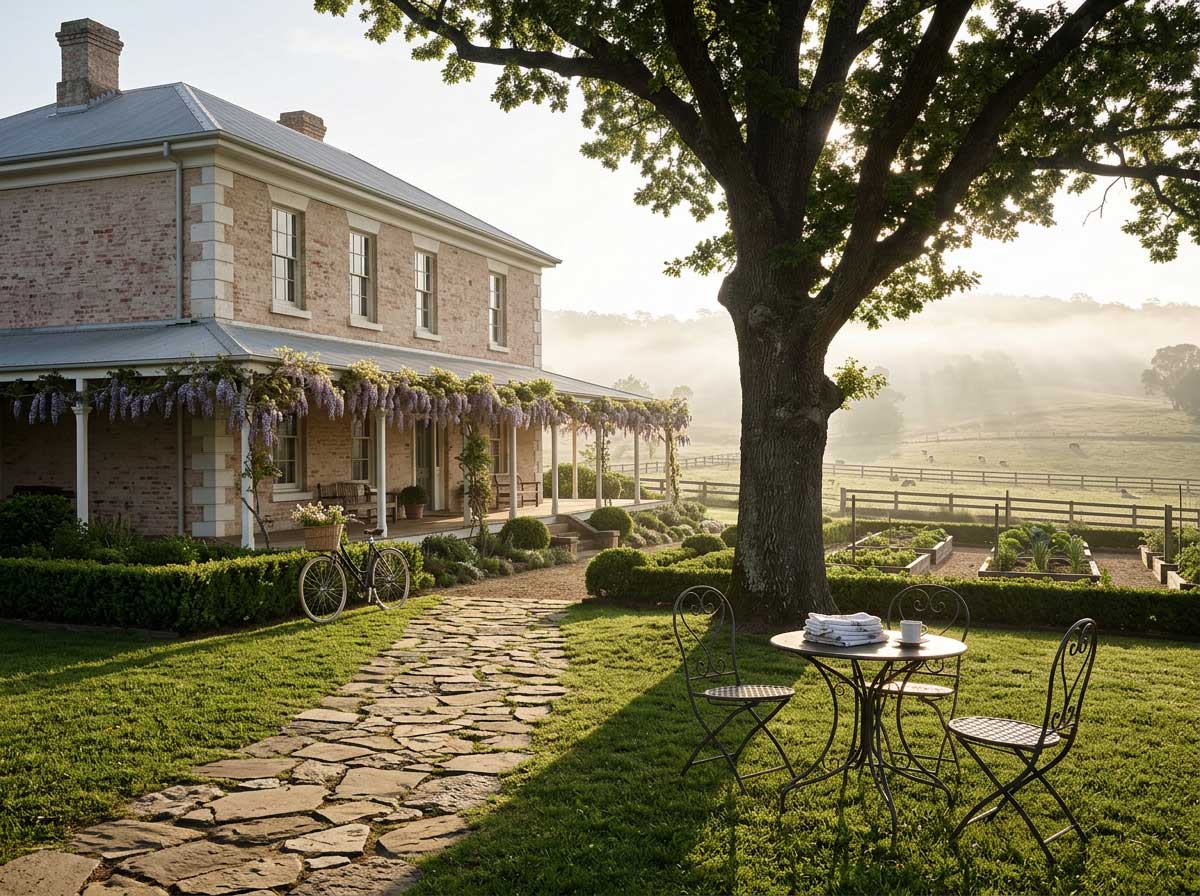
Before you begin to select plants you’re going to add, it is worth taking time to think about the bones of your garden, the underlying framework of paths, levels, enclosures, and focal points that will give the space its character regardless of the season, because a garden that relies entirely on flowers for its beauty will look sparse and aimless for half the year, while one that is thoughtfully structured will retain its dignity even when bare. Consider how the garden is divided, whether by low hedging, by changes in surface material, or by the subtle shift from a formal planted border to a wilder meadow-style planting, since these transitions give a landscape its sense of intention and make a relatively modest plot feel considered and layered rather than simply large or small.
Add a Luxury Pool
If you are considering adding a pool to your garden, it’s important to think about how it fits into the overall design rather than treating it as a separate feature. A well placed pool can act as a focal point and bring a sense of calm to the space, especially when paired with clean lines and thoughtful materials. Safety and practicality should also be part of the plan, and features like glass pool fencing can help maintain visibility and openness without disrupting the overall look of the garden.
Paths and Edging as Design Elements
One of the most impactful and underestimated ways to elevate the appearance of a garden is to pay serious attention to the edges where different surfaces and planting zones meet, because these boundaries do an enormous amount of visual work, either holding a design together with quiet authority or, when neglected, allowing the whole composition to feel ragged and undefined. Decorative edgings, whether rendered in steel, hand-pressed terracotta, salvaged stone, or powder-coated metal, bring a precision to the garden that plants alone simply cannot achieve, framing borders in a way that makes even naturalistic planting look deliberate and confident, and allowing the eye to move smoothly through the space without snagging on an unruly grass edge or a crumbling lawn margin.
Planting
Often, gardens that prioritise design and aesthetics opt for planting methods that prioritise texture, form, and repetition over sheer variety, which means selecting a relatively restrained palette of plants and using them with confidence and generosity. Grasses are particularly valuable in this context, as their movement and translucency add a quality to the garden that no broad-leaved shrub can quite replicate, and grouping them in bold drifts alongside structural perennials like Salvia nemorosa, Phlomis russeliana, or Achillea creates a composition that looks beautiful from early summer through to the first frosts, and even beyond if you decide not to cut everything back in autumn.