Image Credit: Unsplash
As a digital designer, your creativity is your greatest asset. But the long hours staring at a screen, the pressure of deadlines and the sedentary nature of the job can take a toll on your wellbeing. Integrating simple wellness habits into your daily routine isn’t just a nice idea. It’s a powerful strategy to sustain your creativity, boost your productivity and build a long-lasting career you love.
The Link Between Body and Brain
It’s easy to think of creative work as purely a mental game, but the connection between our physical state and our cognitive function is undeniable. When your body is stiff, sore or fatigued, your brain simply can’t perform at its best. Nagging back pain or a tension headache isn’t just a physical annoyance. It’s a constant distraction that drains your mental energy and stifles your creative flow. Prioritising your physical health creates the foundation for mental clarity, sharper focus and more innovative thinking, allowing your best ideas to surface.
Desk Ergonomics for Creatives
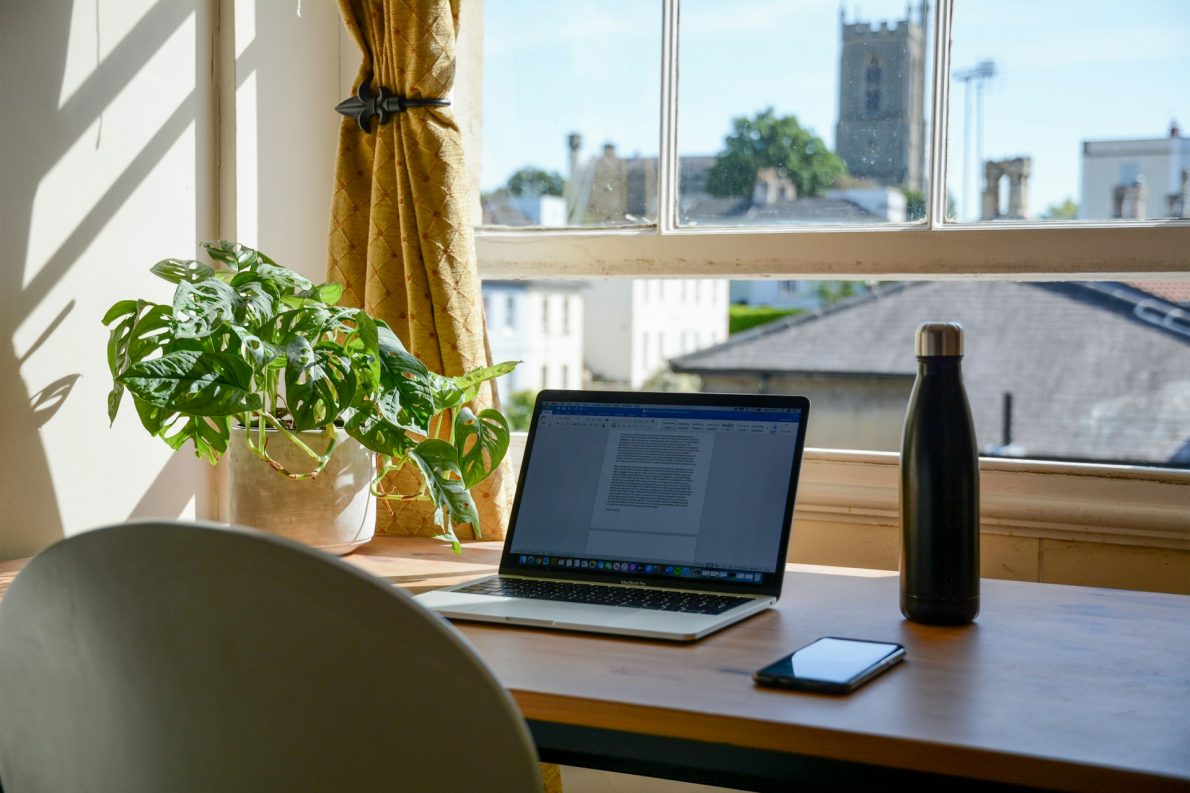
Your desk setup is your command centre, and it should support you, not work against you. Poor ergonomics are a leading cause of the aches and pains that plague many designers. Taking the time to design your workspace for wellbeing is one of the best investments you can make in your career. Start with the basics: adjust your chair so your feet are flat on the floor and your knees are at a 90-degree angle. Your monitor should be at eye level to prevent neck strain, and your keyboard and mouse positioned to keep your wrists straight. Even the overall environment matters, as research shows how office design boosts brain health. If you’re already feeling the effects of a less-than-ideal setup, seeking professional guidance from a service like the physiotherapy Lismore residents can help address posture issues and manage persistent pain.
Movement Breaks: More Than Just a Stretch
The human body wasn’t designed to sit still for eight hours a day. Regular movement is essential for keeping your muscles loose, your blood flowing and your mind alert. Set a timer to remind yourself to get up and move every 30 to 60 minutes. You don’t need a full workout; a few minutes can relieve stiffness and refresh your focus.
- Do some simple neck rolls and shoulder shrugs.
- Walk around your office or home to make a cup of tea.
- Perform a few standing stretches for your back and legs.
- Step outside for a minute of fresh air.
These small breaks prevent stiffness from setting in and act as a mental reset, helping you return to your screen feeling refreshed and ready to tackle the next design challenge.
Active Recovery for Busy Professionals
While short movement breaks are crucial during the workday, what you do outside of work hours is just as important. Active recovery involves engaging in low-intensity activities that help your body and mind de-stress and repair from the demands of your job. This isn’t about pushing yourself to the limit at the gym. Instead, it’s about finding enjoyable ways to move your body that counteract the effects of sitting all day. This could be a gentle yoga class, a weekend hike, a swim at the local pool or even just a brisk walk through the park in the arvo. Active recovery helps improve circulation, reduce muscle soreness and support lower stress levels.
Nourishing Your Body for Peak Performance
The food and drinks you consume directly affect your energy and creativity. Caffeine and sugary snacks may provide a quick boost, but they often lead to an energy crash. Prioritise whole foods, stay hydrated throughout the day and choose nutritious snacks like nuts, seeds, fruit or Greek yoghurt to maintain focus and support cognitive function. A well-nourished body supports a sharp, creative and resilient mind.
Small wellness habits can make a lasting difference. Caring for your health also supports a more productive and sustainable design career. Start with one simple change today and build from there.