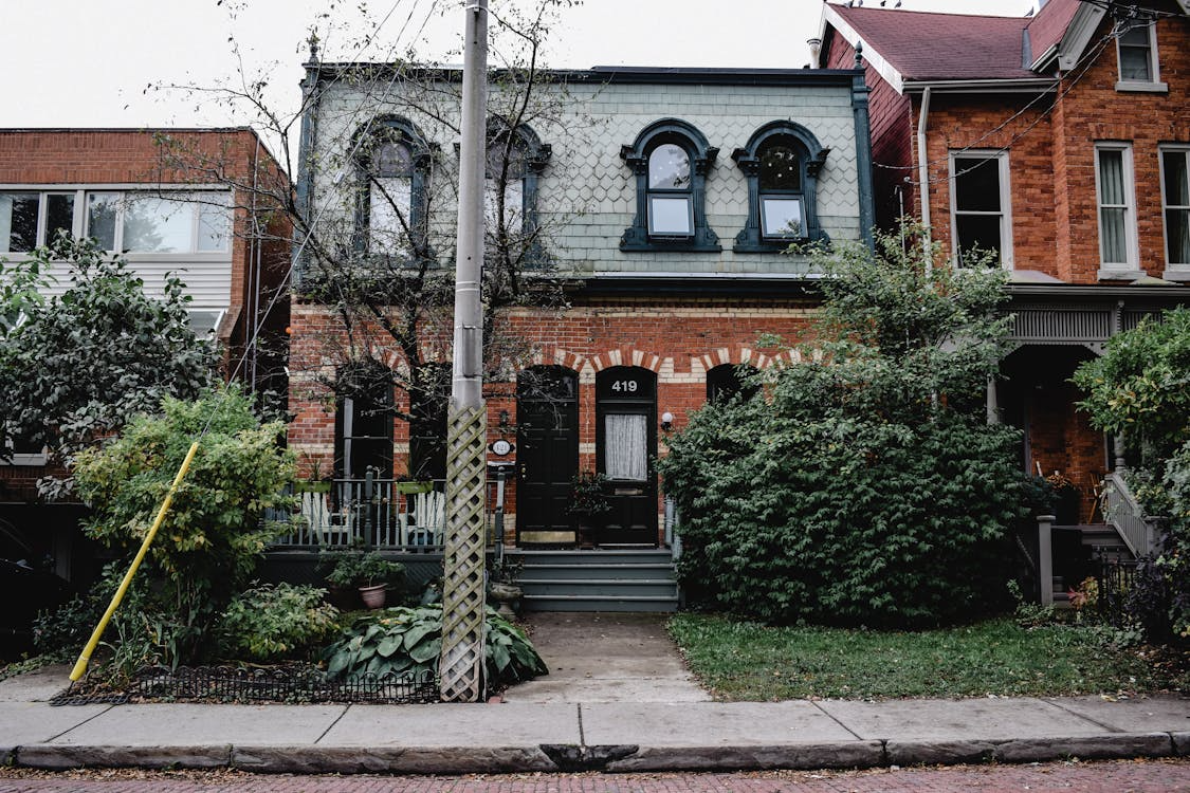
Buying a historic home can feel a bit like falling in love with somebody who’s extremely charming and also, yeah, a little bit high maintenance. Clearly, theres some pros and cons right there. And if a holistic home is your dream home, well, that’s even better! But go ahead and think about it here; the fireplaces are lovely, the old floors have character, the mouldings are gorgeous, the windows have that proper old-house look, and for a while it’s very easy to focus on all the romantic bits. That’s usually how it starts. Theres all those fantasies about living in a historic home, too.
But with any house, once things settle in, the illusion is gone. That whole “honeymoon phase” will go away. Sure, you probably start noticing the obvious bits, but there’s the subtle ones too, the ones you probably had no idea about in the slightest. But what could those potentially even be here?
Plumbing Can be Much Stranger than it Looks
So, one thing you might already know or assume about an older house is that if someone is showing, and you flush the toilet, the water gets really hot. If one faucet is running, every other plumbing fixture gets super weak, the toilet included during flushing, or maybe it takes a while to get hot water back. But those aren’t the only things here for an old house.
Basically, older homes can have plumbing layouts that make very little sense by modern standards. Like, pipes may have been rerouted over the years, bathrooms may have been added later in odd places, pressure can be inconsistent, and sometimes things have clearly been patched together by several different people across several different decades.
But you might need to look into hot water systems and see if yours needs a full-on replacement, maybe some pipes are rusted now, and you have no idea. That’s why it’s best to get a plumber to inspect once you move in (or even before buying) to make sure what can be fixed now before a disaster hits.
Past Renovations Can be More of a Problem
Well, meaning the problems are more than just the original features, as in, the previous owners (or owners before them and so on) made some mistakes and caused some problems. But yeah, this is such a classic historic-home issue, because people tend to assume the age of the house itself is the biggest risk. Sometimes it is, sure, but a lot of the real nonsense comes from what somebody else decided to do to it later.
But really, go ahead and think about it; a bad update from the eighties, a rushed repair from the nineties, some odd attempt to “modernise” without much care, that’s often where the real problems really start. Because now there’s this awkward mix of old and not-that-old, and not all of it was done well, and it now needs to be fixed by a professional, which of course costs money, and if it’s a historic home, that means you might need a historic home specialist contractor (and those don’t come cheap).
Those Beautiful Floors Might Hiding a Lot Underneath
Old timber floors are lovely, obviously. They’ve got warmth, history, and a lot more personality than something brand new, trying very hard to look “characterful”. Like, it can’t be done, really, it can’t. But the problem is, you don’t know what’s happening underneath it all. Maybe there’s mould, sagging, well, it’s hard to say because it’s underneath untouched floors. But of course, if you have a crawl space, it’s so much easier to figure out.