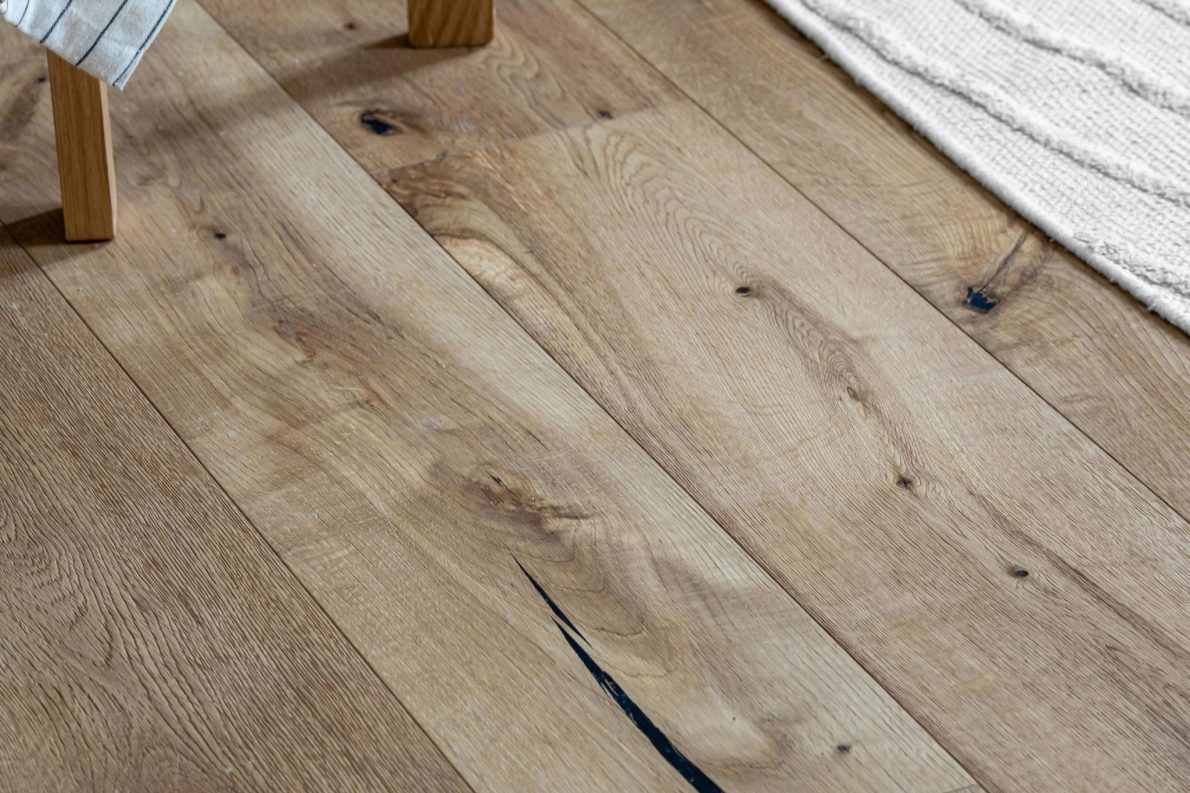
Your floorboards take a beating every single day. However, some things are far more damaging than others. Whether your floorboards are exposed or hidden under other layers of flooring, you need to take steps to protect them. Here are just some of the biggest floorboard destroyers and how to defend against them.
Spillages
Moisture is the biggest enemy of wood. Liquids like water, wine and juice will seep into the grain and could cause swelling or warping. At the very least, you could end up with an unsightly stain if you ignore a spillage on an exposed hardwood floor.
Wipe up spillages immediately to reduce any damage. With exposed wooden floors, consider laying down rugs or adding protective layers in high-risk areas (like under dining tables). When mopping up spillages on hardwood floors, avoid soaking the floor – keep the map damp, not dripping.
Leaks
Slow, hidden leaks will also cause floorboards to rot and warp. These are more of a danger than spillages, because they’re not as immediately noticeable – a dripping pipe or poorly sealed dishwasher can silently destroy your boards. Look out for dark patches and don’t ignore musty smells.
By investigating potential leaks early, you can reduce water exposure and limit damage. Call out a plumber if you notice damp spots.
Pet claws
Exposed wooden floorboards can quickly get scratched up if you have cats or dogs. While you can shave down floorboards to remove these scratches, you don’t want to be doing this too often.
Keep dog’s nails trimmed or consider soft nail caps for heavy scratchers. Often the best solution is to lay down rugs and runners in areas where your pets like to run. Finishes like polyurethane can also offer a layer of protection
Termites
Termites can quietly chew away at your floorboards, causing them to become weak and potentially even cave in. A lot of homeowners don’t know they have termites, but there are telltale signs: hollow sounds when you tap on boards, tiny piles of what looks like sawdust or small holes.
Arrange a termite inspection if you think you may have these pests. It’s worth noting that termites tend to focus on damp wood – spillages, leaks and high humidity will attract them to your home. If you have an infestation, you will need to call out a pest control company to get rid of them. DIY treatments are an option, but experts will be able to thoroughly eradicate these critters.
Sunlight
Sunlight is an overlooked destroyer of floorboards. Exposed hardwood floors may start to discolour and weaken over time when exposed to UV light.
There are a few different ways in which you can stop the sun from fading your floors. A simple solution is to draw the curtains or blinds during the day. Alternatively, you can limit exposure by rearranging furniture or laying down rugs in suntraps. One of the best solutions however is to use a UV-resistant finish on your floor. These finishes typically consist of oils, which can prevent discolouration, while also providing some basic protection against water damage.