Image Credit: Unsplash
A polished home exterior comes from a handful of architectural choices that work together. Rooflines, wall finishes, lighting and planting all affect how a property looks from the street, yet they also shape maintenance needs and comfort. Before ordering materials, step across the road and photograph the whole facade.
This wider view makes awkward proportions and competing colours easier to spot, giving you a practical reference for every decision that follows.
Defining a Distinct Exterior Visual Identity
Start with the home’s fixed architectural features, including its roof pitch, window proportions and entry position. These elements provide a stronger design direction than passing trends. A low-set brick house, for example, may suit broad horizontal lines and a restrained palette, while a weatherboard cottage can carry finer details and softer colour changes.
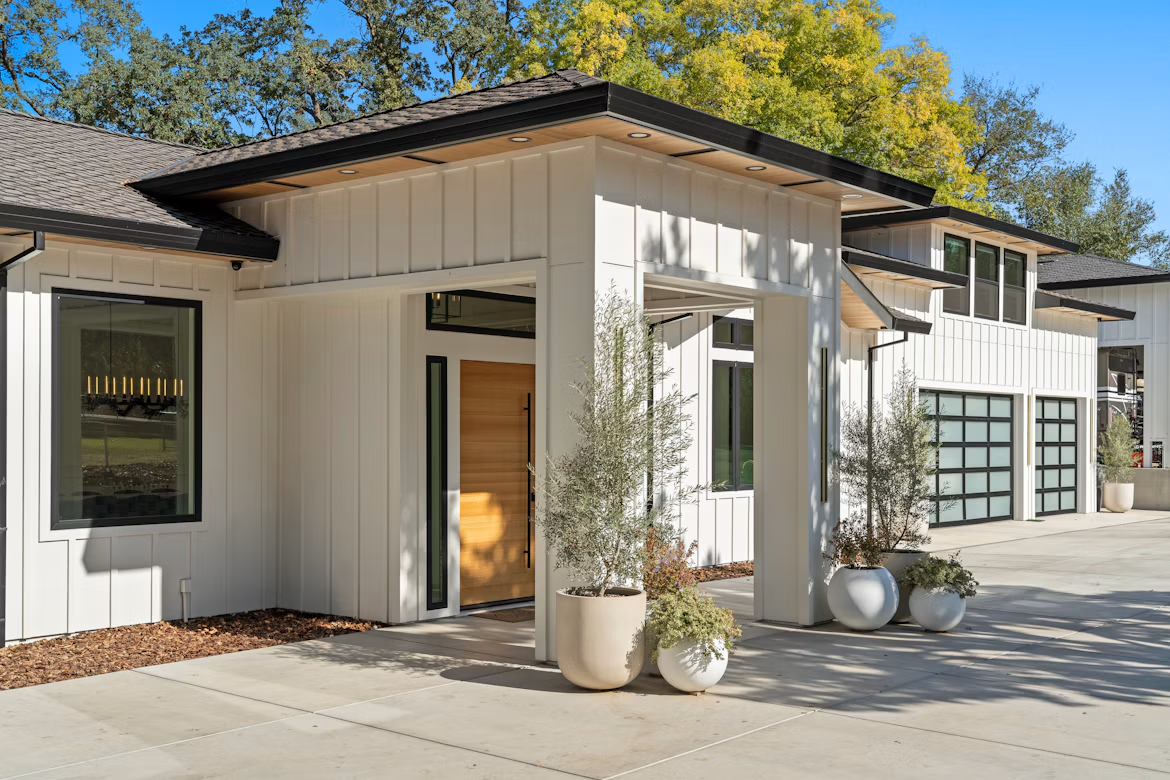
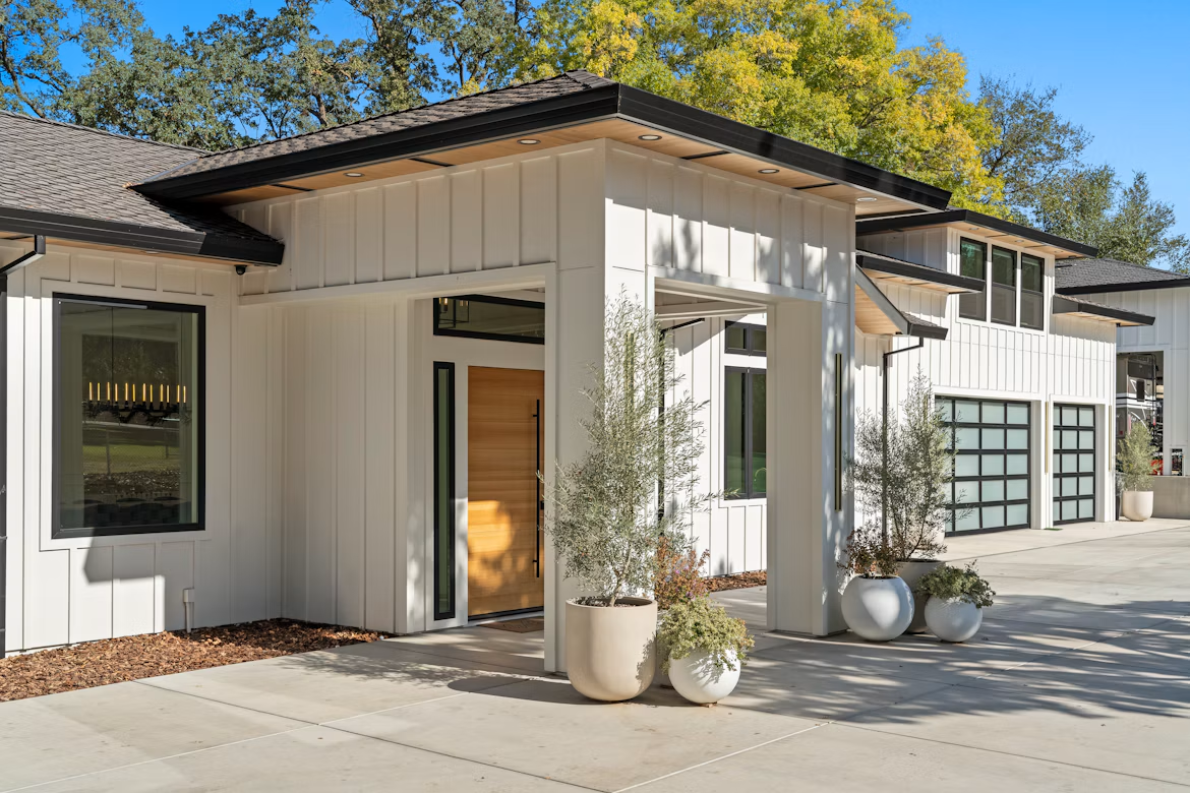
Limit the facade to two main materials and three colours, including the roof. Repeating one finish around the entrance or garage helps the exterior feel connected. You can also use these home exterior tips to identify simple improvements before committing to structural work.
Harmonising Profiles and Protective Finishes
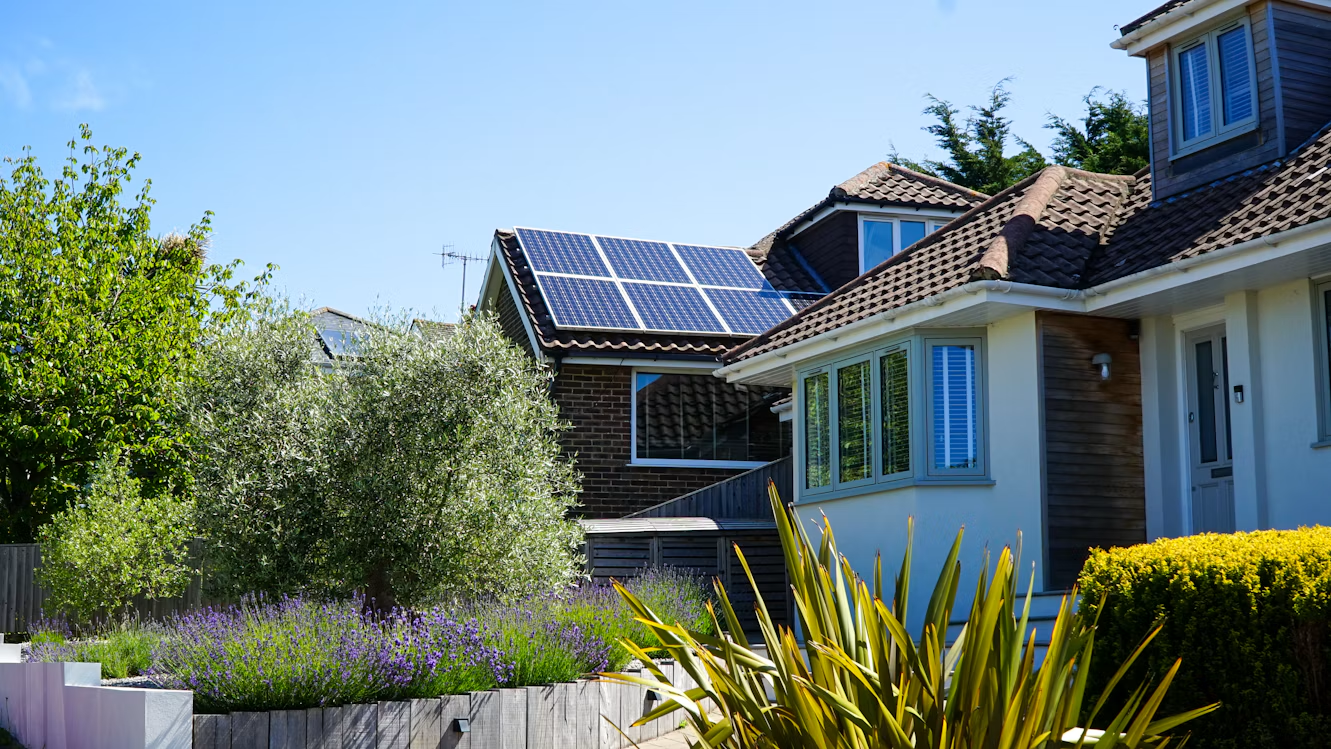
Look at the roof and gutters early because they create the upper outline of the house. If repairs, restoration or replacement are needed, consult a qualified roofing provider before selecting new wall colours. Existing fading, corrosion or drainage problems may affect both the scope and order of your exterior project.
Keep profiles related across the facade. Slim window frames usually pair well with clean gutter lines and simple cladding, while deeper trims can complement a more traditional home. Material durability matters too. Guidance on style and longevity can help you compare appearance with exposure, upkeep and expected service life. Always view finish samples outdoors at morning, midday and late afternoon since natural light can noticeably change their undertones.
Strategic Lighting for Street Presence
Use exterior lighting to reveal the home’s structure after dark and make paths, steps and entrances easier to use. Begin with a warm light near the front door, then add low-level fittings along the main approach. A colour temperature around 2700K to 3000K generally produces an inviting residential glow without making pale walls look harsh.
Aim fittings carefully. Downlights beneath eaves can define wall texture, while a small uplight may highlight one tree or a distinctive column. Avoid placing bright fixtures directly at eye level or lighting every surface equally. Glare can flatten architectural detail and spill into neighbouring properties. Before installation, test positions with temporary lamps after sunset and view the result from the footpath, driveway and front windows.
Minimalist Landscaping for Clean Lines
Choose plants that support the architecture without hiding it. Keep taller species away from windows, gutters and narrow paths, then use repeated groups of two or three varieties to create order. For a modern facade, clipped shrubs, ornamental grasses and a single feature tree can soften hard surfaces while preserving crisp lines.
Plan for mature size instead of how plants look in small nursery pots. A shrub sold at 40 centimetres high might eventually spread across a metre-wide path, creating extra pruning work. Define garden beds with one consistent edging material and leave some open space near the entrance. Mulch in a neutral brown or charcoal tone will visually settle the planting, retain soil moisture and reduce weed growth without introducing another competing colour.
Take one final street-view photograph once your material samples, lighting positions and planting plan are mapped out. If the entrance reads clearly and the roof, facade and garden share a consistent visual rhythm, the design is ready to move from ideas to accurate quotes.