A brighter smile is something many people think about at some point, especially after years of coffee, tea, red wine, or simply existing as a human who enjoys snacks. Teeth whitening has become increasingly popular because it offers a relatively simple way to refresh the appearance of your smile. But before jumping straight into whitening strips and smiling aggressively at mirrors, it’s worth considering whether it’s actually the right choice for you.
Not all staining is the same.
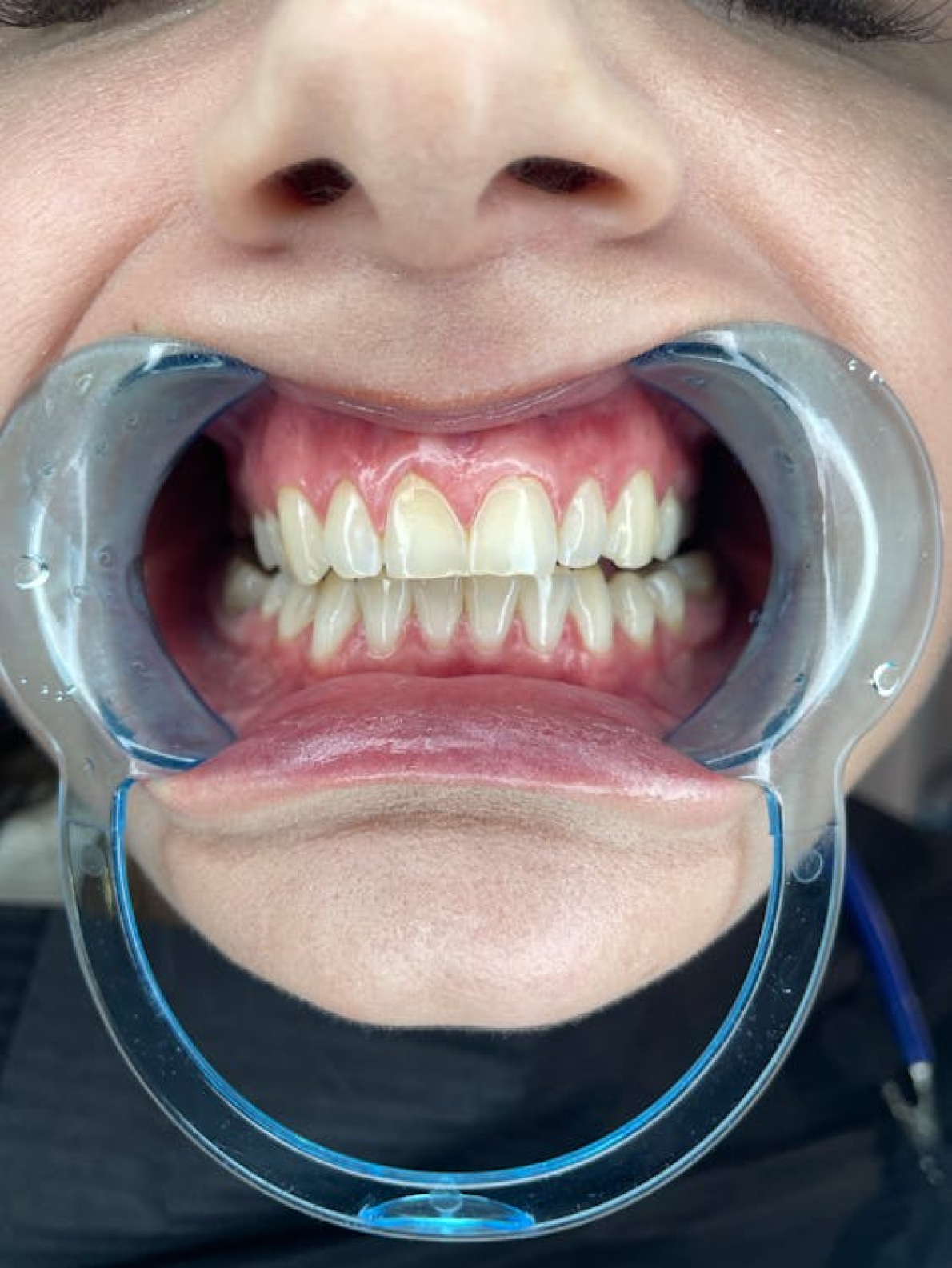
One of the first things to understand is that teeth can become discoloured for a variety of reasons. Surface stains from food and drinks are usually easier to treat, while deeper discolouration may be linked to age, medication or enamel wear. This is why speaking with a dentist before you start any whitening treatments can be helpful. They can assess the condition of your teeth and recommend the safest and most effective option based on your individual situation. Sometimes what looks like staining may actually require a different approach entirely, such as clean filling, replacement or dental work.
Whitening can boost your confidence.
For many people, teeth whitening is less about chasing perfection and more about feeling a bit more confident. A brightest marker makes people feel fresher, more polished and happier when smiling in photos or social situations. It’s a very small cosmetic change, but sometimes small changes have a surprisingly positive impact on confidence levels. That being said, it’s important to keep your expectations realistic. Whitening usually enhances your natural tooth colour rather than creating the ultra bright celebrity smiles often seen on social media.
Sensitivity is something to consider.
One thing that a lot of people notice during whitening is temporary tooth sensitivity. Cold drinks can suddenly feel dramatically cold out, and biting into an ice cream can become a questionable life choice for a few days. Not everybody experiences sensitivity, of course, but it is common enough to be aware of before starting treatment. Using products correctly and avoiding overuse can help to reduce irritation. Professional advice is especially helpful if you already have sensitive teeth or existing dental concerns.
At home kits VS professional treatments.
There are now countless whitening products available over the counter, from strips and gels to toothpastes and LED kits that look slightly futuristic. Some people achieve decent results with at home options, while others prefer professional treatments for stronger and more predictable outcomes. Professional whitening is usually faster and more tailored to your teeth, but it can also cost you more. At home products are often more budget friendly. The results may take longer and vary between individuals.
Healthy teeth come first.
Whitening works best on healthy teeth and gums. If there are untreated cavities, gum problems or damaged enamel, these issues should generally be addressed first. Good hygiene also plays a big role in maintaining results. Brushing regularly, drinking water after staining drinks and keeping up with dental check UPS will help to keep your teeth looking their best.
So is it for you? Many people think that it can be a simple way to refresh their smile and boost their confidence. A bright smile is lovely, but a healthy 1 is even better.