Image Credit: Unsplash
In a world obsessed with flawless filters and pristine, showroom-style homes, we’re all starting to crave something a bit more real. We’re tired of the pressure to be perfect and are instead looking for comfort in authenticity.
That’s exactly where the Japanese philosophy of wabi-sabi comes in. It’s a beautiful idea centered on finding beauty in imperfection, embracing life’s natural ups and downs, and appreciating the simple, humble things around us. It’s less about a specific style and more about a mindset that celebrates everything perfectly imperfect.
What Wabi-Sabi Means for Modern Living
So, what’s wabi-sabi all about? It’s really about appreciating the beauty in things that aren’t permanent, aren’t quite finished, and aren’t perfect. Think about your favorite ceramic mug with that tiny crack, a wooden table that shows years of family dinners, or a beloved book with soft, creased pages. These items aren’t just objects; they tell a story.
Instead of trying to hide these flaws, wabi-sabi encourages us to see them as part of an object’s unique history and charm. For our homes, this means letting go of the idea that everything needs to be brand new and spotless. It’s an invitation to embrace the aesthetics of imperfection and create spaces that feel lived-in, warm, and truly yours.
Celebrating Unique Textures and Forms
One of the easiest ways to bring a wabi-sabi vibe into your home is by focusing on natural materials and textures. Try to move away from mass-produced, identical items and lean towards things that show the touch of nature or a craftsperson. Imagine aged wood with its unique grain, soft, rumpled linen throws, or stone with all its natural variations. Even building materials can fit this idea.
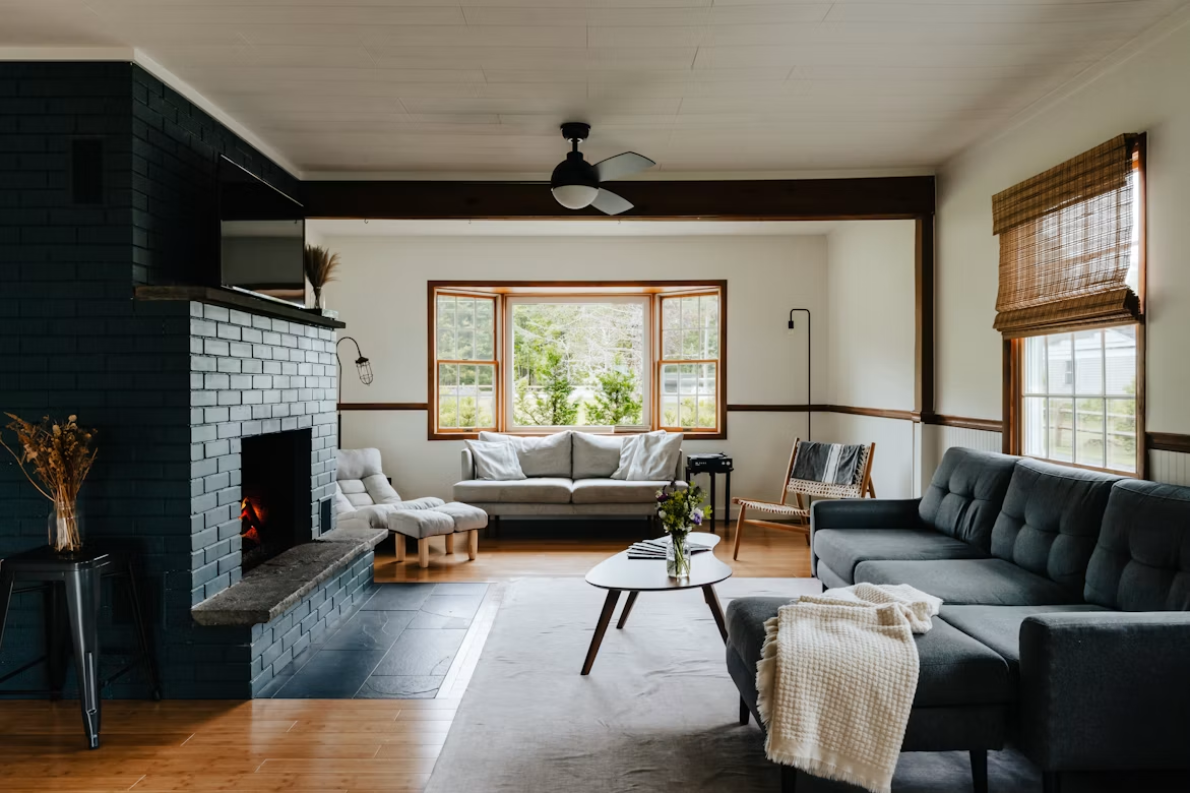
For example, the subtle color differences and slightly uneven edges of handmade clay bricks can add incredible warmth and character to a wall or fireplace – something a perfectly uniform surface just cannot do. The goal is to fill your space with items that have depth, personality, and a tactile quality that just makes you want to reach out and connect with them.
Authenticity in Digital Aesthetics
While wabi-sabi often makes us think of physical objects and spaces, its ideas can totally apply to our digital lives too. In an online world full of polished and perfectly curated content, a little bit of authenticity can feel incredibly refreshing. This might mean sharing photos that aren’t perfectly staged or edited, appreciating the grain and light leaks in film photography, or simply being more genuine in your online chats.
It’s about resisting the pressure to show off a flawless digital persona and instead allowing for a more honest, human, and relatable presence. This approach can make our digital spaces feel less like a performance and more like a real connection.
Finding Beauty in the Handmade
Handmade objects are truly the heart of a wabi-sabi home. Something made by hand will always have a unique character that a machine-made item just can’t replicate. This could be a piece of pottery that isn’t perfectly symmetrical, a handwoven rug with slight bumps in the pattern, or a painting where you can see the artist’s brushstrokes. These little imperfections aren’t mistakes; they’re proof of the human touch.
They tell the story of how the object was made and connect us to the person who created it. When you choose handmade items, you’re not just decorating your home; you’re collecting stories and bringing a real sense of soul into your space.
Mindful Design for a Calmer Space
Ultimately, bringing wabi-sabi into your life and home is a way to practice mindfulness. It encourages you to slow down, notice the small details, and truly appreciate what you already have. A home designed with these ideas in mind becomes a peaceful retreat from the noise and demands of the outside world.
By following a few simple wabi-sabi principles, you can create an environment that feels calming, grounding, and deeply personal. It’s about making a space that truly reflects who you are, complete with all your beautiful imperfections, instead of chasing some impersonal idea of perfection.
Embracing wabi-sabi doesn’t mean you need a complete home makeover. It can start simply by taking a moment to appreciate the beauty in a weathered stone, a slightly frayed textile, or a cherished, well-loved piece of furniture. It’s a gentle reminder that there is profound beauty in the imperfect, the impermanent, and the incomplete.