Image Credit: Unsplash
Making your home beautiful and true to your values is a really personal journey. As we all become more aware of our impact on the world, many of us want to bring that awareness into our living spaces. It’s not just about how a room looks anymore, but also the story behind the things in it. This move towards ethical design means thinking about where our materials come from, how they’re made, and what kind of legacy they’ll leave.
The Impact of Material Sourcing
Everything in your home has a past. The stone for your countertop, the fabric for your sofa, the wood for your floors—they all started somewhere. The trip from raw material to finished product leaves an environmental and social footprint. If you pick materials that aren’t sourced responsibly, you could be contributing to deforestation, pollution, and unfair labor. But if you make thoughtful choices, you can support sustainable industries and healthy ecosystems. Learning about sustainability in material selection is the first step to building a home that matches your beliefs.
Beyond Aesthetics: Function and Footprint
For a long time, design choices were mostly about how things looked. While beauty is still important, a modern, ethical approach asks for more. Now, we think about a material’s whole life cycle. How long will it last? Can it be recycled or reused later? Does it release harmful chemicals into your home? These questions are key to a new way of thinking about environmental design materials. A truly well-designed space doesn’t just look good; it also supports your health and the planet’s well-being.
Why Eco-Friendly Timber Stands Out
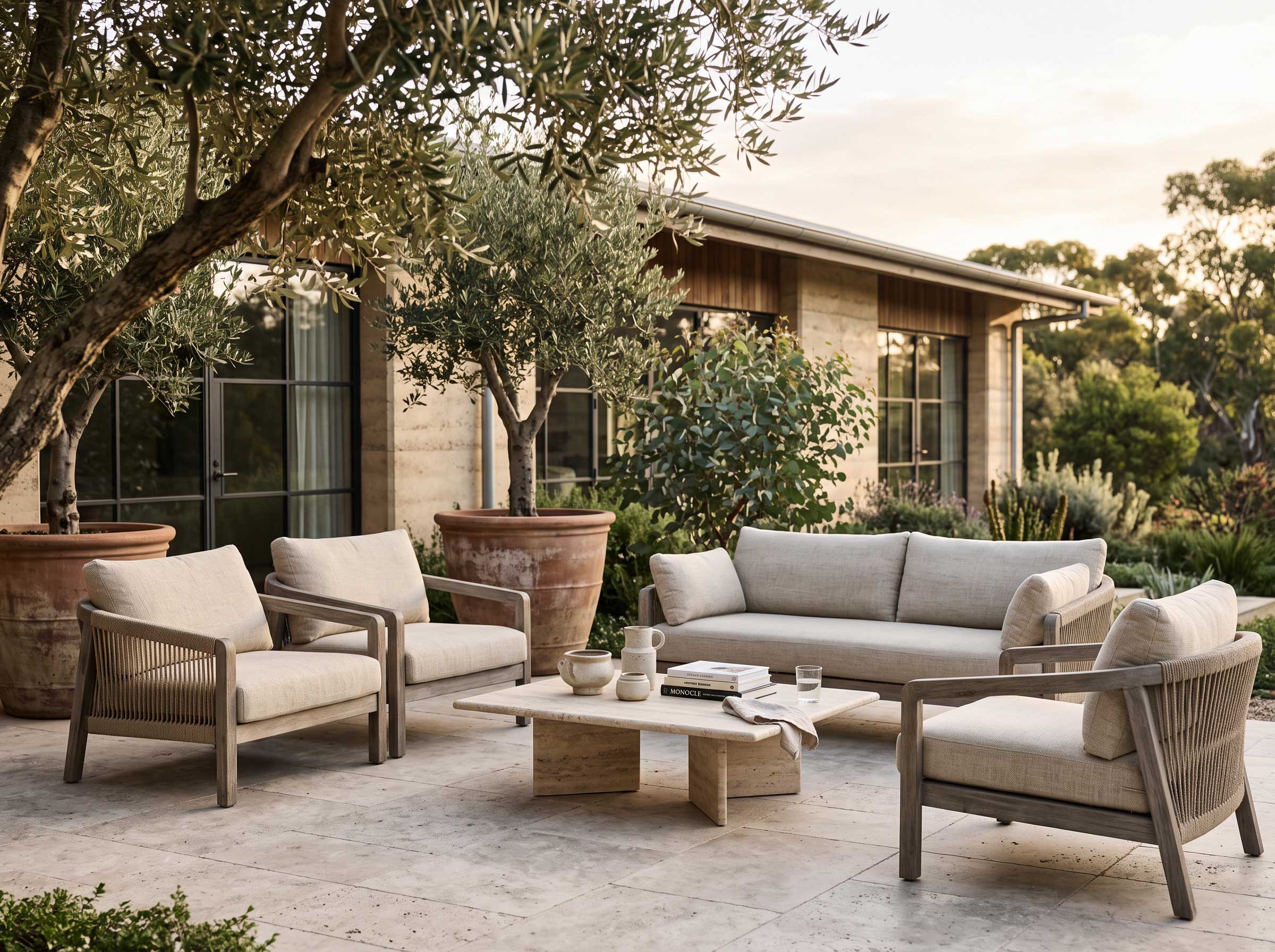
Among all the materials out there, timber is special for sustainable design. Wood is a renewable resource, and when it’s harvested responsibly from well-managed forests, it’s an excellent choice. It has a natural warmth and character that synthetic materials often can’t match. When you’re renovating or building, finding local sources for materials can cut down on transportation emissions and help local economies. Also, a good supplier of timber supplies can often tell you where their products come from and how sustainable they are, helping you make a better choice. Ethically sourced timber brings a bit of nature into your home, making it feel calm and grounded.
Designing a Conscientious Home
You don’t need to completely redo your home to make it ethical. Small, intentional choices can make a big difference over time. Start by choosing quality over quantity. Instead of buying cheap, trendy furniture, invest in well-made pieces that will last. Look for certifications like the Forest Stewardship Council (FSC) seal on wood products; this means they come from responsibly managed forests. Think about using reclaimed or salvaged materials, which add unique character and keep waste out of landfills. Every decision, from the paint on your walls to the fabrics you pick, is a chance for a healthier, more sustainable living.
Longevity and Timeless Appeal
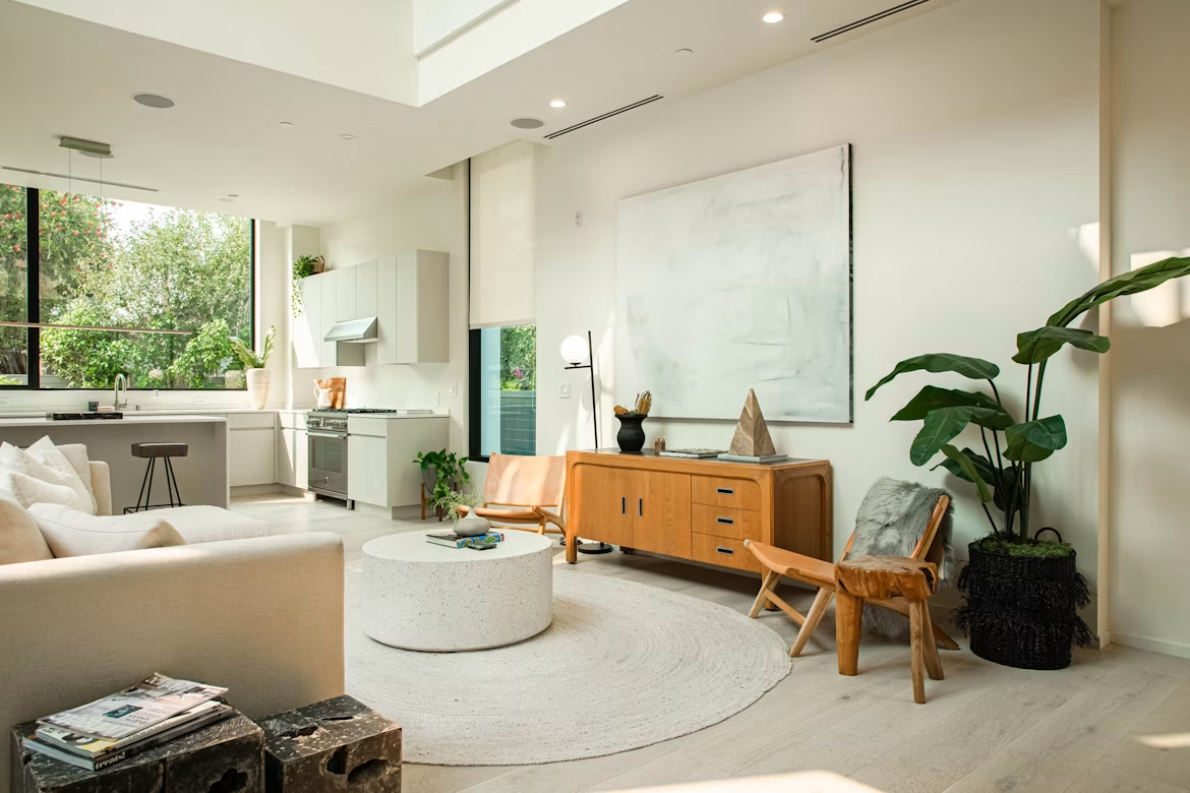
One of the most sustainable things you can do is pick materials and designs you’ll love for a long time. Ethical design often goes hand-in-hand with timeless style. Natural materials like wood, stone, and linen always look good and don’t go out of fashion. By creating a home that you won’t feel the need to constantly update, you use less and create less waste. This approach helps you feel more connected to your space, turning it from just a house into a home full of meaning, intention, and lasting beauty.
A home built on ethical choices just feels different. It becomes a sanctuary that not only looks good but also does good, showing a commitment to a more thoughtful way of living.