
Image Credit: Unsplash
The space where you work really shapes your mood, how well you focus, and your overall well-being. With so many of us spending more time working from home, that little corner of the house has become super important. Making your workspace feel good isn’t about buying expensive furniture or doing a full renovation. Often, it’s just a few small, thoughtful tweaks that can turn a messy spot into a productive, comfy haven. A well-designed space doesn’t just help you work; it supports your mental and physical health too.
The Psychology of a Great Space
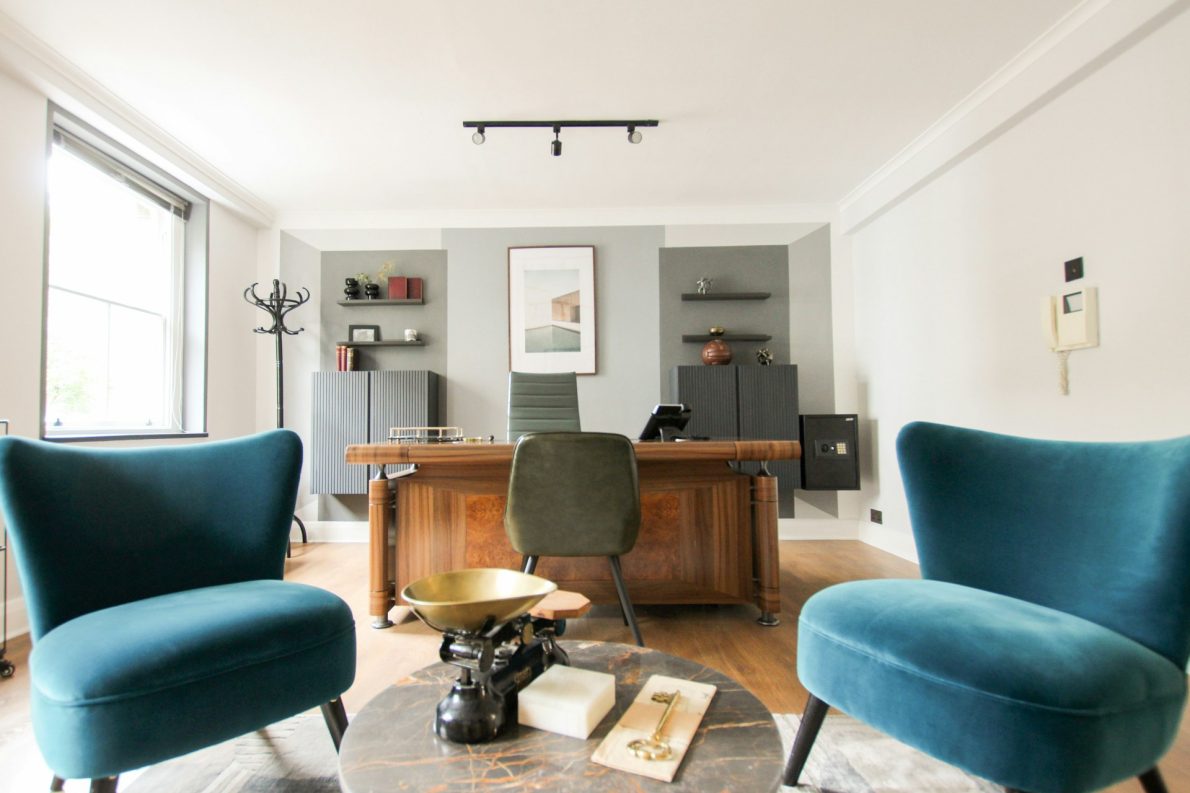
Your brain is always reacting to what’s around you, even when you don’t quite notice it. The colours on your walls, the stuff on your desk, and how much clutter there is can all mess with your state of mind. The psychology of workspace design even shows that certain things can actually boost your creativity and focus. For example, colours like blue and green are known for being calming, which makes them great for a home office. On the flip side, a pop of yellow or orange can really spark energy and new ideas.
Making it personal is also a big deal. A plain, impersonal space can feel pretty uninspiring. But an office filled with things that make you happy – like photos, plants, or your favourite mug – can make work feel a lot less like a chore. Surrounding yourself with meaningful items helps you feel more connected to your space, and that can really boost your motivation and how much you enjoy your job.
Ergonomics Beyond the Chair
When folks hear “ergonomics,” they usually picture a fancy office chair. And while a good chair is definitely a great start, real ergonomic comfort means looking at your whole setup. The main idea is to arrange your workspace so it puts the least amount of strain on your body, which can also boost focus. First, check your monitor height; the top of the screen should be right at or just below your eye level. This stops you from hunching over and straining your neck.
Your keyboard and mouse should sit so your wrists stay straight and your elbows are bent at a comfy 90-degree angle. If you’re using a laptop, this is pretty tough to do on its own. A simple fix is to grab an external keyboard and mouse, then pop your laptop on a stand or a stack of books to get the screen to the right height. Oh, and don’t forget to get up and move around every hour to stretch your legs and give your eyes a break!
Climate Control for Focus
Ever tried to concentrate but you’re either shivering or sweating? Temperature is one of those things we often forget about, but it makes a huge difference to how productive we are. When your body is working overtime just to stay warm or cool down, it has less energy left for all that complex thinking and problem-solving. Studies consistently show that a comfortable, steady temperature helps people stay focused and make fewer mistakes.
If your home office is in a room that gets baked by the afternoon sun or feels like an icebox in winter, it can be a constant struggle. A simple fan or heater can help, but for a more lasting solution, it might be time to get to the bottom of the problem. A professional air conditioning installation can create a consistent, comfy climate, letting you focus on your work instead of constantly messing with the thermostat. Good air quality and balanced humidity also play a part in a healthier, more productive spot.
Lighting and Acoustics Matter
Good lighting can totally transform how a room feels and really impact your energy levels. Natural light is the best, as it helps regulate our internal clocks and can lift your mood. If you can, set up your desk near a window, but make sure it’s positioned so you don’t get a harsh glare on your screen.
For artificial light, try not to rely on just one bright overhead light. Instead, use different layers of light. A soft ambient lamp can give you general lighting, while a dedicated task light on your desk can brighten your work area and reduce eye strain. When it comes to sound, the constant buzz of a household can be incredibly distracting. If you can’t close a door, think about using noise-cancelling headphones or playing some ambient background noise to help you block out distractions. Even a simple rug and some soft furnishings can help soak up sound and make a space feel quieter.
Creating a Flexible Environment
The modern workday isn’t a static thing, so your workspace shouldn’t be either. A flexible environment is one that can change to fit the different kinds of tasks you do throughout the day. You might need a traditional desk setup for focused, heads-down work, but a comfy armchair might be better for taking calls or reading documents. Creating different zones, even in a small space, lets you change your posture and scenery.
This doesn’t mean you need a huge room with tons of furniture. It can be as simple as having a lap desk you can use on the sofa, or setting aside a clear area away from your main desk for breaks. Bringing in thoughtful workspace design that supports different ways of working helps keep your mind fresh and engaged. This approach understands that our energy and focus go up and down, and our environment should support that natural flow.
Your workspace is more than just a spot to put your computer. It’s an environment that can either wear you out or energise you. Don’t feel like you need to change everything all at once. Just pick one small thing you can adjust this week and see what a difference it makes.