Image Credit: Unsplash
You know that feeling: you spend a whole weekend cleaning, only for your home to feel just as messy by Wednesday. The truth is, a truly organized home isn’t just about being tidy; it’s about intentional design solutions.
When your space is set up to help you stay organized, keeping clutter at bay becomes second nature. It’s all about creating systems and a visual flow that actually work for you. Here’s how you can design a home that feels calmer, cleaner, and more put-together.
Start with the Big Picture: Define Your Zones
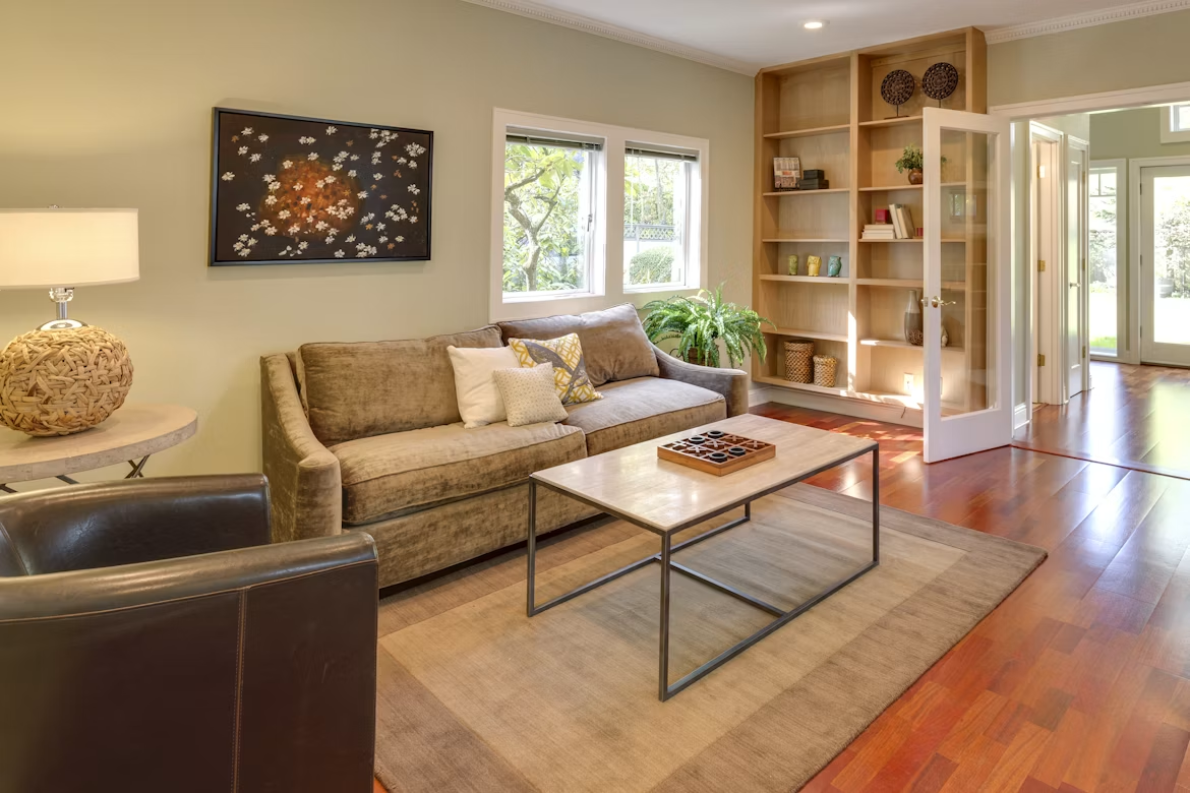
Before you buy any storage bins, take a moment to think about how you use each room. Zoning means giving a specific purpose to different areas in your home. For example, your living room might have a relaxing zone with the couch and TV, a play zone for the kids’ toys, and a small work zone with a desk. When you define these areas, it helps make sure everything you need for that activity has a logical spot. This simple step stops things from drifting across the room and making a mess.
Maximize Storage with Smart Solutions
Visible clutter often makes a home feel disorganized. While bins and baskets can help, truly seamless organization comes from storage that’s built right in. Think about those unused spots in your home. Could that empty wall in the dining room become a floor-to-ceiling cabinet for dishes and linens? Or could the space under a window turn into a cozy reading nook with storage drawers underneath?
Working with professional cabinet makers can bring these ideas to life, creating custom solutions that perfectly match your home’s style. They can design pantries, entertainment centers, and wardrobes that beautifully hide clutter and make organizing feel easy.
Create a Cohesive Color and Material Palette
Visual clutter can be just as distracting as physical clutter. A room with too many clashing colors, patterns, and materials will always feel busy, even if it’s tidy. To make things feel calm, stick to a limited color palette. Pick three to five colors that go well together and use them throughout your home in different shades.
Do the same for materials like wood, metal, and fabrics. Keeping a consistent finish for things like cabinet hardware, light fixtures, and picture frames helps everything look unified. A well-planned palette helps you create a cohesive home that flows from one room to the next.
Declutter with Purpose, Not Just Panic
The thought of decluttering can feel huge, but it doesn’t have to be one big, stressful cleanout. Instead, tackle it with a plan. Choose one small area at a time: a single drawer, one shelf, or the cabinet under the sink.
For each item, ask yourself a few key questions: Do I love it? Do I use it often? Does it have a specific place to live? If you answer no to all three, it’s probably time to let it go. This step-by-step approach is less overwhelming and helps you make smart choices about what truly belongs in your home.
Adopt the “One In, One Out” Rule
Once you’ve decluttered, the trick is to keep that new order going. The “one in, one out” rule is a simple but powerful habit. Every time you bring something new into your home, whether it’s a new shirt, a book, or a kitchen gadget, an old one has to leave. This stops stuff from slowly piling up and causing clutter.
It makes you think more carefully about what you buy and helps you manage your collection of items, even if you have a hodgepodge of stuff you love. It’s a sustainable practice that keeps your home balanced.
Designing an organized home is all about creating a supportive environment. When everything has a logical spot and your home looks calm and cohesive, keeping things in order just becomes a simple part of your daily routine instead of a constant struggle.