
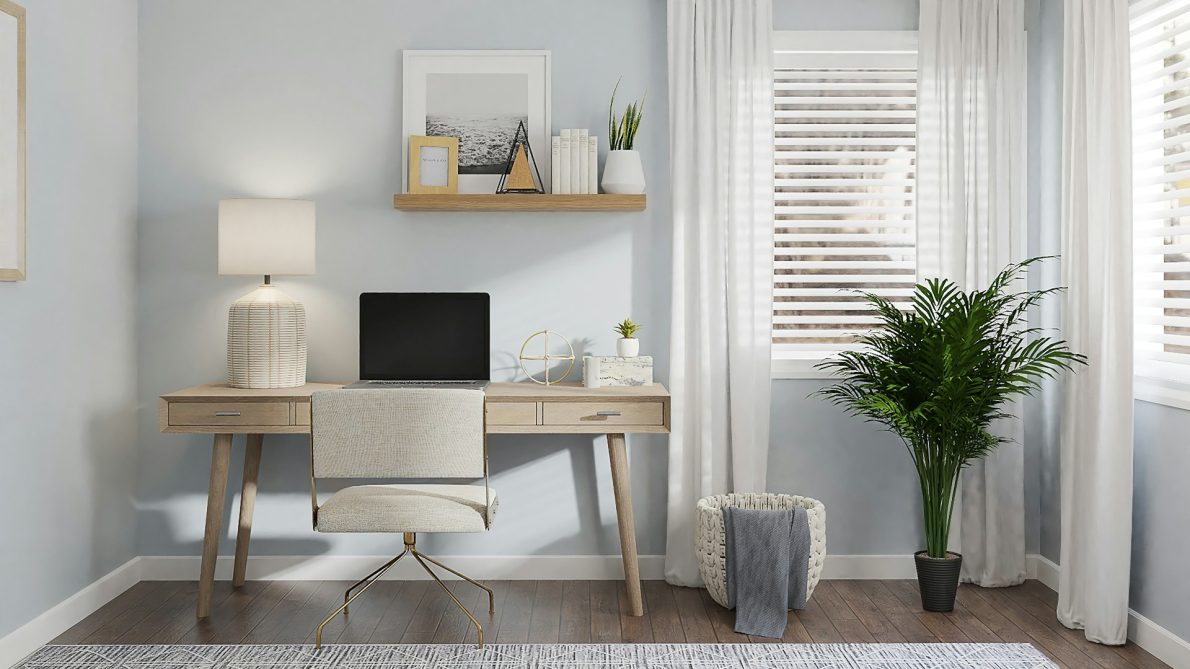
Image Credit: Unsplash
Working from home has become the norm for so many of us, and that means making a dedicated workspace is a top priority. But just sticking a desk in a spare corner won’t magically make every workday productive and happy. Creating a space that truly helps you focus and feel good takes a little more thought. The good news is, a few simple tweaks to your home office can make a huge difference in everything from your creativity to how much you get done.
Designing for Focus
A messy space often leads to a messy mind. The first step to designing for focus is to clear out your work area, keeping only the essentials close at hand. Tidy up cables, file away loose papers, and set up a system so it’s easy to put things back where they belong. Just as important is getting enough natural light. Putting your desk near a window can really boost your mood and energy throughout the day. Studies even show that good windows can impact focus and can reduce eye strain, making this a simple yet powerful change.
The Impact of Comfort on Creativity
It’s tough to feel creative or motivated when you’re dealing with a sore back or a stiff neck. Ergonomics plays a huge part in how comfortably you can work for long stretches. Your chair should support your lower back, and your feet should be flat on the floor. Adjust your monitor so the top of the screen is at or just below eye level to prevent neck strain. These small adjustments are super important when designing for productivity and comfort, because physical discomfort is a big distraction that can drain your mental energy and stop those creative ideas from flowing.
Temperature’s Role in Your Workflow
Ever notice how hard it is to concentrate when you’re either shivering or sweating? The temperature of your workspace directly affects how well your brain works. When an office is too warm, we tend to feel sluggish and tired. If it’s too cold, our bodies use energy to stay warm, leaving less for complex tasks. So, keeping a steady and comfortable temperature isn’t just a nice-to-have; it’s essential for a productive workflow. A reliable and efficient air conditioning system makes sure your home office stays a consistent and pleasant environment, letting you focus on your work instead of the thermostat.
Smart Solutions for Optimal Climate
Modern climate-control systems can also make it easier to manage your workspace without constantly adjusting the thermostat. Smart controls allow you to set schedules, adjust temperatures remotely, and, with some systems, control different areas of the home independently. Some systems even have zoning capabilities, meaning you can control the temperature in your office separately from the rest of the house. This isn’t just convenient; it’s also super energy-efficient, since you’re not wasting power on empty rooms. It’s a smart move for both your personal comfort and your household budget.
Maintaining Your Productive Space
Creating the perfect home office is one thing, but keeping it that way is another. Building a few small habits into your routine can make all the difference. Try a five-minute tidy-up at the end of each workday: wipe down your desk, put away supplies, and clear any clutter. This ensures you start the next day with a fresh, inviting space. It’s also smart to schedule regular maintenance for your equipment. Just like you’d update your computer’s software, you should also have your climate control system serviced periodically to keep it running smoothly and efficiently, preventing unexpected breakdowns that could mess up your work week.
Your home office should be a place where you can do your best work without sacrificing your well-being. By thoughtfully designing your space for focus and comfort, you’ll set yourself up for a more productive and enjoyable workday.