Image Credit: Unsplash
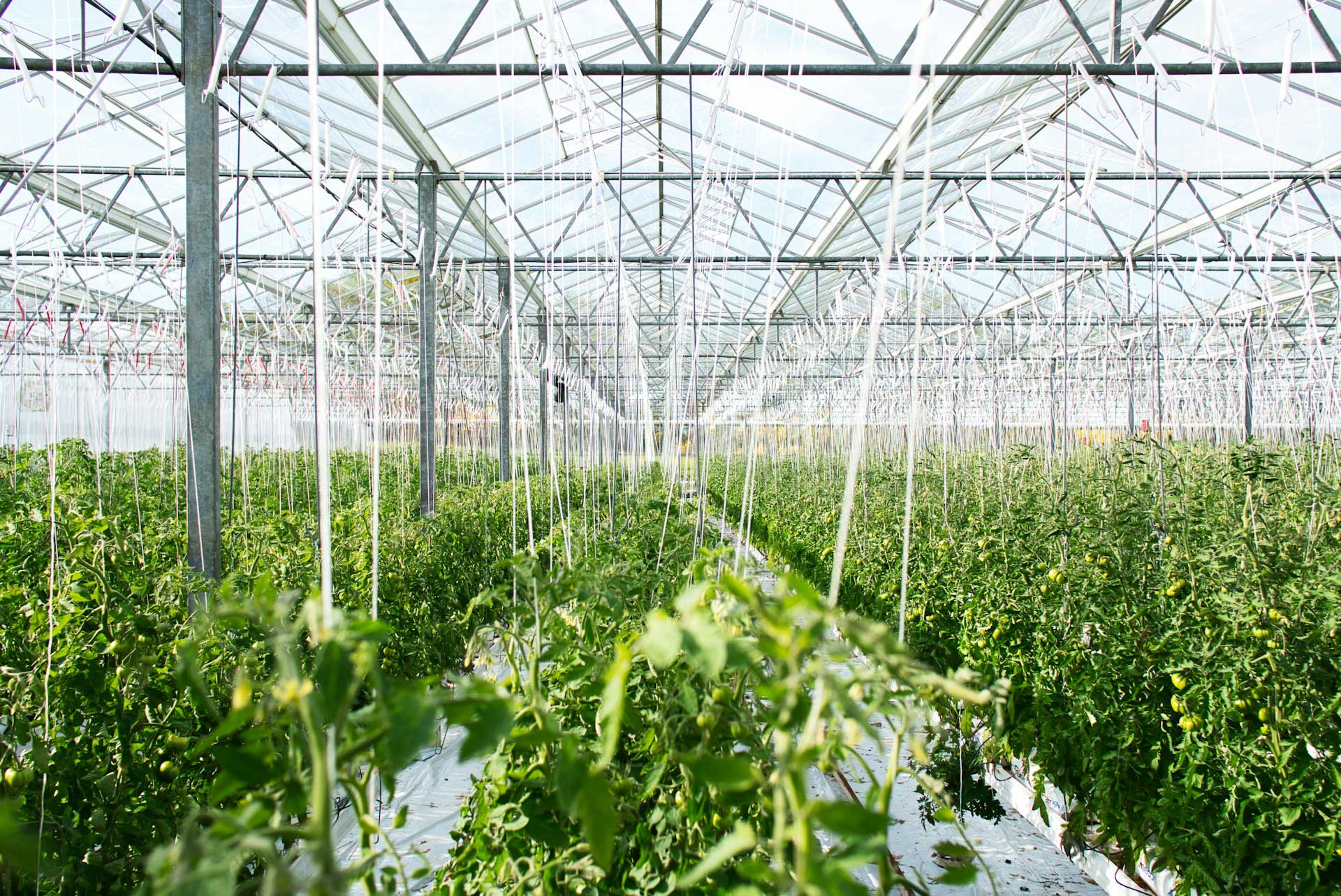
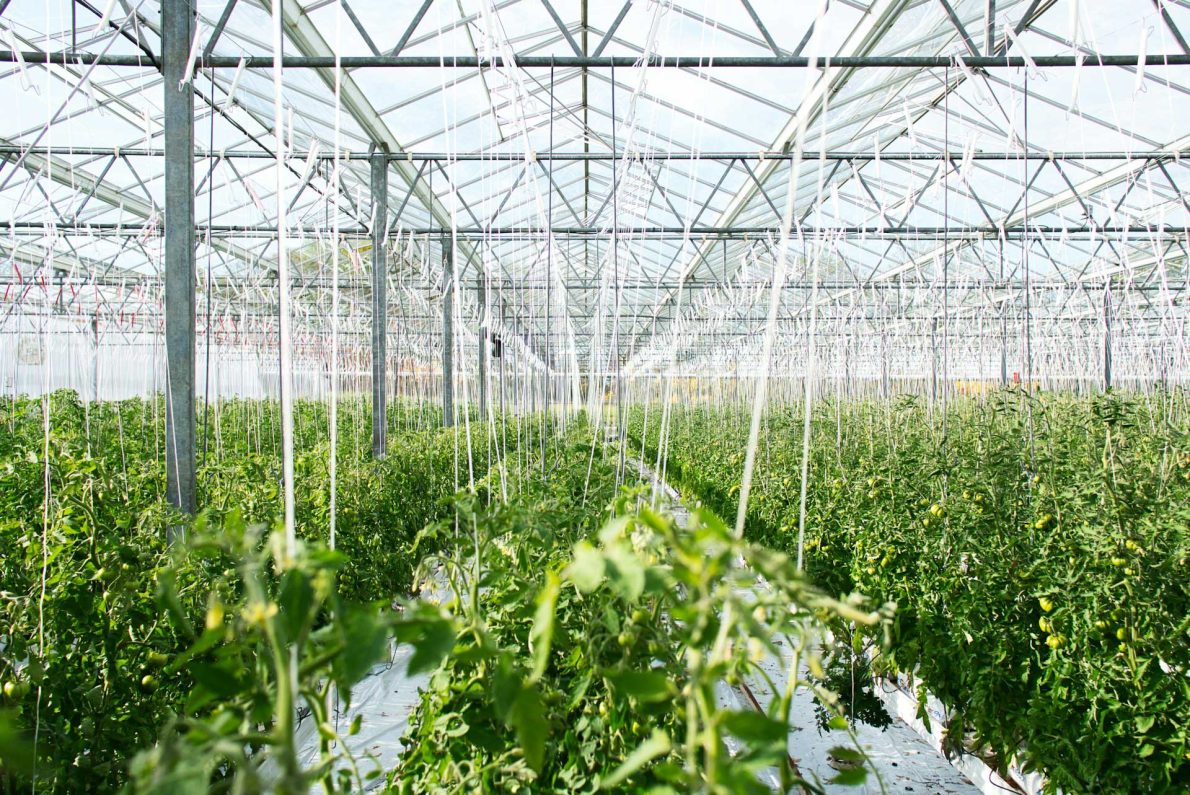
Commercial greenhouses depend on precise control of water, nutrients, temperature and light throughout the year. Small variations can affect leaf colour, flowering, root development and the saleable life of indoor plants. For growers supplying offices, hotels, shopping centres and design studios, consistent quality also matters because customers expect every delivery to look healthy from day one.
A productive greenhouse therefore needs more than seasonal growing knowledge. It requires close monitoring, reliable equipment and plant care practices suited to continuous production.
The Demand for Living Interior Design
Living interior design has moved plants beyond decorative pots on a windowsill. Commercial clients now request planted walls, large indoor trees, trailing displays and coordinated plant collections that complement a building’s architecture. These installations must retain their shape and colour under indoor lighting, air conditioning and variable foot traffic.
That demand affects greenhouse planning. Growers need stock at several stages of maturity so they can fill large orders without clearing out an entire crop. A hotel opening, for example, may require hundreds of matching plants within a fixed installation window. Staggered propagation and careful production records help deliver uniform height, leaf density and pot coverage.
Crop selection also needs to reflect year-round demand. Guidance on year-round greenhouse crops shows how operators can plan production around seasonal conditions while maintaining a steady supply. For interior projects, that may mean growing reliable foliage varieties continuously and reserving smaller zones for flowering or seasonal lines.
Environmental zoning helps when one greenhouse contains plants with different needs. Tropical foliage may favour higher humidity while succulents need faster drying and stronger light. Curtains, separate irrigation circuits and adjustable benches let staff create useful microclimates without constructing a separate building for every plant group.
Accurate inventory data is equally valuable. Record propagation dates, expected finishing times and losses for each variety. After several crop cycles, these figures reveal which plants consistently meet interior design specifications and which create avoidable labour, pest or quality problems.
Delicate Flora Demands Balanced Nutrients
Commercial plants need a nutrient program that matches their growth stage, growing medium and intended use. A young plant establishing roots has different requirements from mature stock being held for an upcoming installation. Applying the same fertiliser concentration across both groups can produce weak roots, excessive soft growth or visible salt deposits.
Start with testing. Measure the electrical conductivity and pH of irrigation water as well as the drainage leaving representative pots. Electrical conductivity provides a practical indication of dissolved salts, while pH affects how readily roots can access nutrients. Results should be recorded by crop zone and reviewed over time because one isolated reading may reflect a recent irrigation or fertiliser application.
Source water deserves particular attention. Groundwater can contain dissolved solids, hardness, salinity or a pH level that conflicts with a crop’s needs. When testing confirms an ongoing quality issue, plant-scale bore water treatment systems can be designed and built to produce water suited to commercial operations or irrigation. The treatment method should follow laboratory analysis and expected daily demand, not a generic equipment package.
Practical greenhouse growing tips also emphasise the relationship between watering, ventilation and plant nutrition. Roots need moisture and oxygen in workable proportions. Constantly saturated media can limit oxygen around the root zone, even when the nutrient formula itself is correct.
Review feeding schedules whenever light levels or temperatures change. Plants growing slowly during a cool, cloudy period generally take up less water and fertiliser. Automatic dosing equipment still needs human oversight, calibration and regular inspection for blocked lines.
Image Credit: Unsplash
Eliminating Excess Minerals from Source Water
Mineral problems often become visible only after plants have experienced weeks of exposure. White crusts may appear on pot rims, leaf tips can turn brown and irrigation emitters may begin delivering uneven volumes. In misting areas, mineral deposits can also mark foliage that needs to look flawless for retail or interior design clients.
Send source water to a suitable laboratory before choosing filtration or treatment equipment. A useful analysis may cover total dissolved solids, hardness, alkalinity, chloride, sodium, iron and pH. Each result points to a different concern. Hardness can contribute to scaling, for example, while high sodium or chloride may injure sensitive crops as salts accumulate in the root zone.
Basic sediment filtration can protect equipment from suspended particles, but it won’t remove all dissolved minerals. More advanced processes may be needed where salinity or specific dissolved constituents exceed the crop’s tolerance. Treatment capacity must also match peak irrigation demand. An undersized unit could produce acceptable water slowly yet leave the greenhouse short during hot weather.
After treatment begins, test water at the outlet and at distant points in the irrigation network. This confirms that stored water, ageing pipes or fertiliser dosing aren’t changing its quality before it reaches the crop. Flush tanks and lines according to an organised maintenance schedule.
Efficient greenhouse design supports this work. Resources on maximising commercial crop yield highlight the value of integrated environmental systems. Water treatment, irrigation timing, drainage and climate controls should operate as one production system because changes in one area often alter demand elsewhere.
Long-Term Health for Commercial Plant Stock
Healthy commercial stock comes from repeatable daily practices. Staff should inspect plants at bench level, where early signs of trouble are easier to see. Look beneath leaves, examine new growth and compare moisture levels across the irrigation zone. A blocked emitter may affect only a few pots at first, but those plants can fall behind the rest of the batch within days.
Set measurable ranges for each crop group. These might include root-zone pH, electrical conductivity, daytime temperature, overnight temperature and interior design temperature management and humidity. Alarm thresholds can flag sudden equipment failures, although staff should still check sensors against handheld instruments. A poorly placed or uncalibrated sensor can create misleading data.
Good sanitation protects long-held plants from pests and disease. Remove fallen leaves, clean tools between crop areas, and isolate incoming stock until it has been inspected. Avoid placing new arrivals directly beside established premium plants. Clear movement routes and labelled quarantine areas make these routines easier for a busy team to follow.
Operators planning year-round greenhouse production also need to account for seasonal shifts in heating, cooling, ventilation and supplemental light. Equipment should be serviced before the season that places the greatest load on it. Waiting for a fan, pump or shade system to fail during extreme conditions can turn a manageable repair into widespread crop damage.
Keep records practical enough that staff will use them. A daily log can capture irrigation changes, pest observations, equipment faults and unusual weather. Those notes help explain why one batch performed better than another and give managers evidence for adjusting future production.
Commercial greenhouse success is visible in the consistency of each outgoing plant. Clean water, stable root conditions and disciplined crop checks allow stock to remain presentable until the precise day a client needs it. That reliability is what turns controlled growing conditions into dependable year-round supply.