
Image Credit: Unsplash
Renovating your home can be an exciting way to improve how your space looks, functions, and suits your lifestyle. But between developing ideas and seeing the finished result, there’s a lot of planning and practical work involved. A smooth renovation rarely happens by accident; it comes from careful preparation and smart decisions from the outset.
Planning Your Vision
Before you even think about grabbing a sledgehammer or picking out paint swatches, you need a super clear idea of what you want. What’s the big goal for this renovation? Are you hoping for more natural light, a better layout for entertaining, or just a modern refresh? Start by soaking up inspiration from magazines, Pinterest, and home design shows. Then, put together a mood board that really captures the vibe and look you’re aiming for.
Beyond just looking good, think about how you’ll actually use the space. How do you use it now, and how would you *love* to use it in the future? For a kitchen reno, consider how you’ll move between the fridge, sink, and stove. For a bathroom, focus on storage and how easy it will be to keep clean. A detailed renovation plan that lays out your goals, your absolute must-haves, and your nice-to-haves will be your trusty guide throughout the whole project. Before you get started, it’s also worth considering the key factors involved in planning a renovation, from setting realistic expectations to preparing for the practical work ahead.
Budgeting Smart for Big Changes
Your budget is going to steer almost every decision you make, so it absolutely needs to be realistic. Start by looking into what similar renovations typically cost in your area. Get at least three quotes from builders or tradespeople; this will give you a solid idea of the potential expenses.
One of the golden rules for renovation budgeting is to always include a contingency fund. This is extra money, usually 10-20% of your total budget, set aside for those unexpected issues that are almost guaranteed to pop up. It could be anything from discovering old wiring that needs replacing to delays in getting your chosen tiles. Having this buffer means a small hiccup won’t completely derail your project or your finances.
Why Professional Trades Matter
While doing it yourself can be super tempting, some jobs are definitely best left to the pros. Things like structural changes, waterproofing, electrical work, and plumbing are all areas where mistakes can be incredibly costly and even dangerous. Licensed tradespeople not only have the right skills and tools for the job, but they’re also insured, which protects you if anything goes wrong.
For example, when you’re updating a kitchen or bathroom, getting professional plumbers involved can help ensure all the pipework, fixtures, and connections are installed correctly and meet Australian standards. A plumbing specialist can handle everything from installing new taps, sinks, toilets, and showers to modifying pipework as part of a larger renovation. A faulty plumbing job can lead to devastating water damage, ruining your brand-new cabinetry, flooring, and plasterboard. Bringing in qualified plumbers early in the renovation process helps ensure the plumbing work is properly planned alongside the rest of the project, saving you stress and costly repairs later.
Navigating Permits & Regulations
Depending on how big your project is, you might need to get approval from your local council. Major structural changes, altering the building’s footprint, or significant plumbing work often require permits. It can feel like a mountain of paperwork, but it’s a non-negotiable step to ensure your renovation is legal and safe.
Your builder or architect should be able to walk you through this process. They’ll know what kind of plans and documents the council needs and can often handle the application for you. Trying to skip this step can lead to hefty fines or even being forced to tear down your new work. It’s always smarter to do your due diligence upfront and get all the proper permissions before you even start.
Finishing Touches for Impact
Once the main construction is done, it’s time for those little details that truly make your vision come alive. This is where you get to really inject your personality into the space. The finishing touches are what turn a simple construction job into a beautiful, cohesive design.
Think about things like:
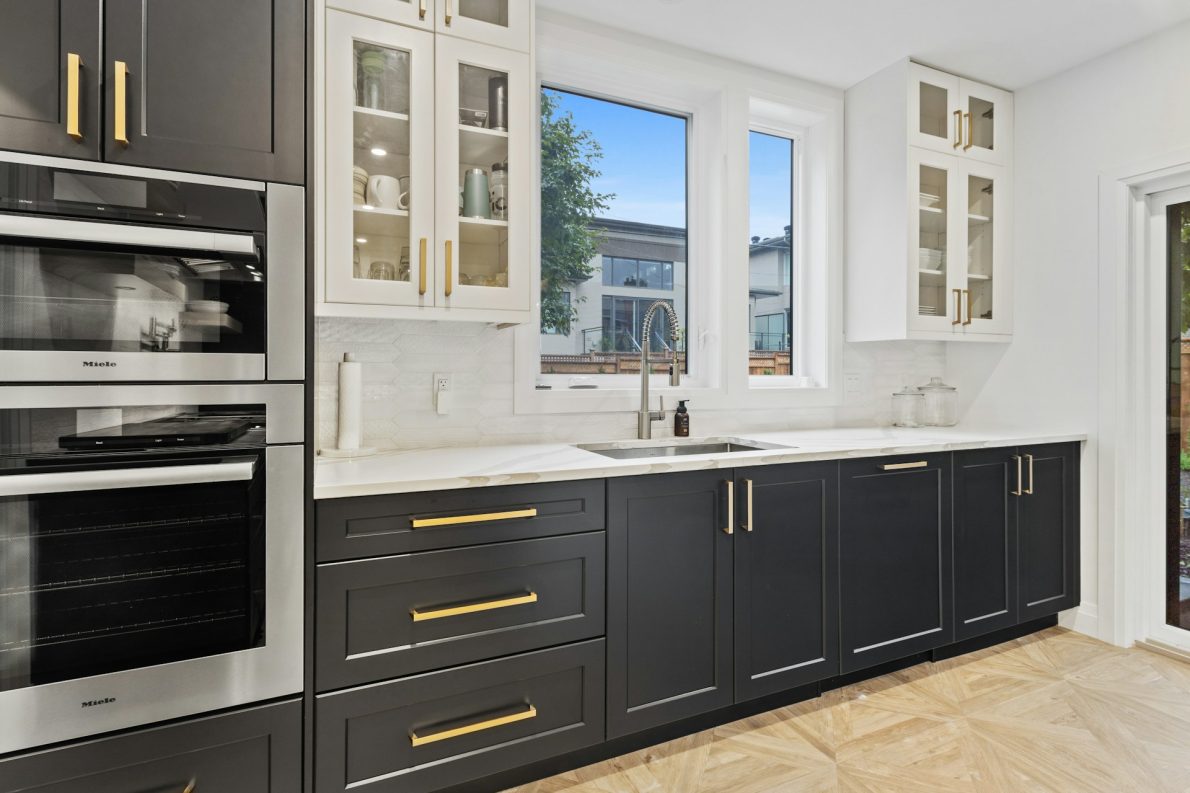
- Hardware: New handles on cabinets and doors can totally change a room’s look.
- Lighting: A cool pendant light or well-placed downlights can completely transform the atmosphere.
- Paint and Trim: A fresh coat of paint in a carefully chosen colour scheme pulls everything together.
- Fixtures: Upgrading tapware, showerheads, and light switches adds a touch of luxury and modernity.
These smaller elements often make a huge impact for a relatively small cost, so it’s worth setting aside some budget for them from the start.
A successful renovation is a marathon, not a sprint. By taking the time to plan thoroughly, budget smartly, and hire the right people, you can create a space you’ll absolutely love for years to come, without all the unnecessary stress.