Image Credit: Unsplash
Embarking on a home renovation is such an exciting journey! You’re not just changing walls and floors; you’re truly reshaping your living space to better fit your life and style. But turning that old, dated house into your dream home takes more than just a good eye for design. It needs a thoughtful, safe approach from the very first idea to the final coat of paint. A successful transformation means the whole process feels as solid as the beautiful result.
Envisioning Your Home’s Future
Before you even think about picking up a tool, you’ll want a clear picture of what you’re aiming for. This is the fun part where you get to dream big! Start gathering inspiration from magazines, social media, and by checking out what others have done. Seeing a stunning old home remodel can really spark some amazing ideas for your own space. Put together a mood board with colors, textures, and finishes you love. Think about how you want the space to work for you. Do you need an open-concept living area for entertaining, or maybe a quiet, cozy nook for reading? Sketch out a rough floor plan to help you visualize the flow. This initial planning stage is important, and it’s good to remember you can always plan a renovation in stages to make a big project feel more manageable.
Evaluating Existing Structures
Once you have your vision, it’s time for a little reality check. Every older home has its secrets, and it’s always best to uncover them before construction kicks off. A thorough look at your home’s existing structures isn’t just a good idea; it’s essential for safety and for keeping your budget on track. You or a professional should inspect a few key areas:
- Foundation and Framing: Keep an eye out for cracks, signs of water damage, or floors that seem to sag – these could point to a structural problem.
- Hazardous Materials: Older homes often hide asbestos in insulation, flooring, or ceiling tiles, plus lead-based paint. These materials need special handling and professional removal to avoid health risks.
- Electrical and Plumbing Systems: Check for outdated wiring or old pipes that might need replacing to meet today’s safety codes and prevent future issues like fires or leaks.
Safe Removal of Old Elements
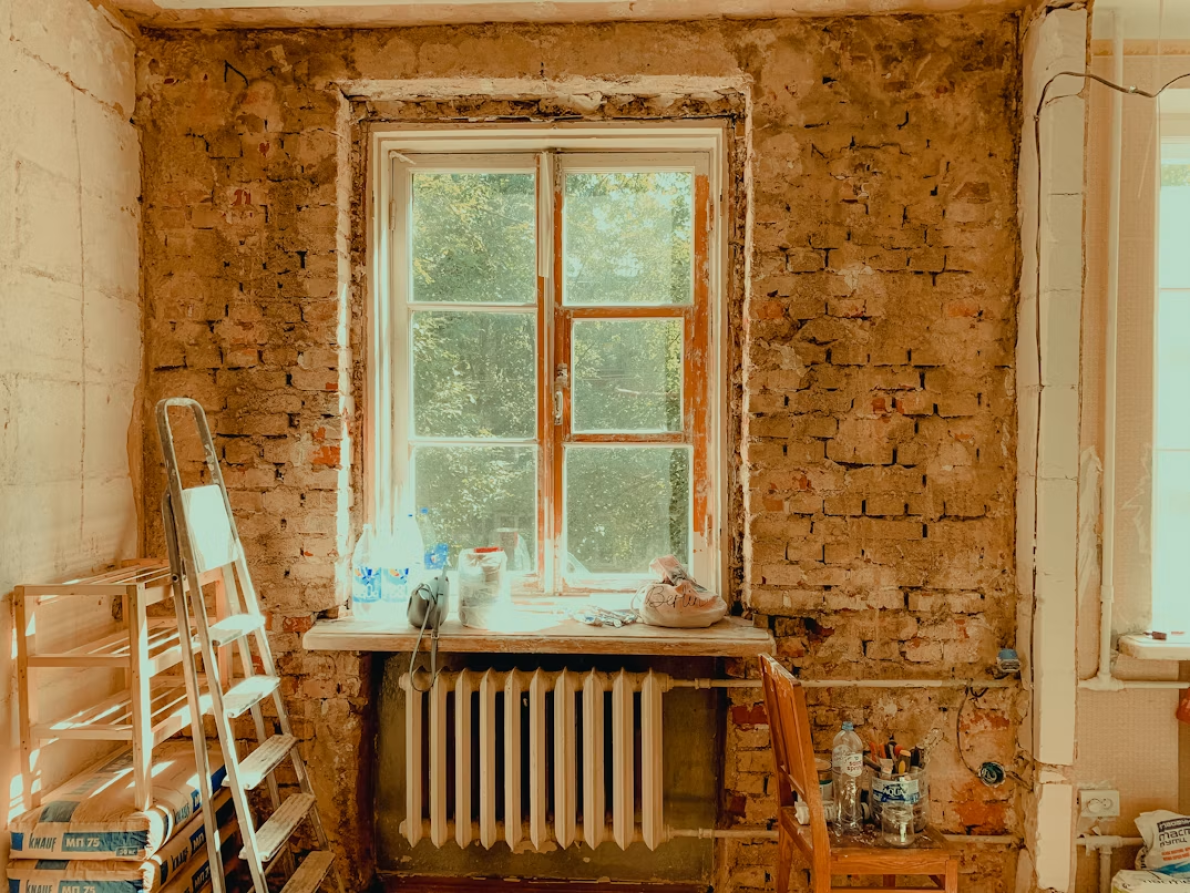
After you know what you’re dealing with, the removal phase can begin. This step can feel incredibly satisfying as you strip away the old to make way for the new. For smaller jobs, like pulling up old carpet or taking down non-structural fixtures, you might be able to handle it yourself with the right safety gear. But for anything involving structural walls, complex electrical work, or those hazardous materials, it’s always best to call in the pros. A professional demolition service makes sure that structural elements are removed safely, debris is managed correctly, and the site is perfectly prepped for the next stage. They have the know-how and equipment to get the job done efficiently while keeping you and your property safe.
Preparing for New Construction
With the old stuff gone, you’re left with a clean slate. Getting things properly ready at this point is crucial for a polished, professional-looking finish. The site needs a thorough cleaning to get rid of all dust and debris. This is also the perfect time to make any structural repairs that popped up during your initial evaluation. Subfloors might need leveling, walls could need re-framing, and new plumbing or electrical lines can be run. Making sure all your surfaces are clean, sound, and ready for new materials like drywall, flooring, and paint will make the installation process much smoother and give you a far better final result.
Sustainable Practices in Renovation
Transforming your home also gives you a great chance to make some eco-friendly choices. Instead of sending everything straight to the landfill, think about how you can renovate in a more sustainable way. Lots of old materials can get a new lease on life! Architectural elements like doors, windows, and hardwood flooring can often be saved and donated to reuse centers. Kitchen cabinets that are still in good shape can be donated or even repurposed in a garage or workshop. When you’re picking new materials, look for sustainable options like reclaimed wood, recycled-content countertops, or low-VOC paints. Upgrading to energy-efficient appliances and windows won’t just reduce your carbon footprint, but it’ll also save you money on utility bills down the road.
A home renovation is a big project, no doubt, but with careful planning and a focus on safety, you can create a space you’ll absolutely love for years to come, especially if you consider these seven finishing touches. The effort you put into doing it right will shine through in every corner of your beautifully transformed home.