Image Credit: Unsplash
Do you ever feel a twinge in your back when you bend over, or find it harder to reach the top shelf than it used to be? That creeping stiffness and limited range of motion can sneak up on us, making everyday movements feel like a chore. It’s a common complaint, but you don’t have to accept it as a permanent part of life. Understanding why it happens is the first step toward moving freely again.
Why Do We Lose Flexibility?
Flexibility isn’t just for gymnasts or yoga instructors; it’s essential for everyone. We often lose it due to several factors. Age is a primary one, as our connective tissues naturally lose some elasticity over time. However, a sedentary lifestyle is an even bigger contributor for many people. When you spend hours sitting at a desk or on the couch, your muscles and joints get used to a very limited range of motion. Without regular stretching and varied movement, muscles can shorten and tighten. Past injuries can also lead to long-term stiffness if scar tissue forms or if you unconsciously guard the injured area, limiting its movement for years. The process of restoring range of motion means actively working against these factors.
Impacts on Daily Living
The effects of stiffness go far beyond feeling a little sore. When your mobility is limited, simple tasks can become frustrating or even impossible. Think about bending down to tie your shoes, twisting to check your blind spot while driving, or lifting a grocery bag out of the car. When these basic movements are compromised, it can significantly impact your independence and quality of life. This is because poor flexibility makes tasks difficult by forcing your body into awkward positions, which increases the risk of strain or injury. Over time, you might start avoiding certain activities altogether, leading to a more restricted and less active lifestyle.
Targeted Therapies for Mobility
When stretching alone isn’t enough, targeted therapies can provide significant relief and help restore movement. A physical therapist or chiropractor can assess your specific limitations and create a personalized treatment plan. This might include manual therapy, where a professional uses hands-on techniques to manipulate soft tissues and joints, improving their mobility. For persistent muscle tightness and trigger points, some practitioners use specialized techniques. For instance, dry needling involves inserting fine needles into knotted muscles to release tension and promote healing. This can be particularly effective for relieving deep-seated tightness that is hard to reach with conventional massage or stretching, helping to reset the muscle and restore its normal function.
Exercises to Support Recovery
Consistent, gentle movement is key to maintaining the gains from targeted therapies and preventing future stiffness. You don’t need to jump into an intense workout routine. The goal is to encourage your joints and muscles to move through their full, natural range.
Consider incorporating these activities into your week:
- Dynamic Stretching: Unlike static holding stretches, dynamic stretches involve active movement. Think arm circles, leg swings, and torso twists. These are great to do before any physical activity to warm up the muscles.
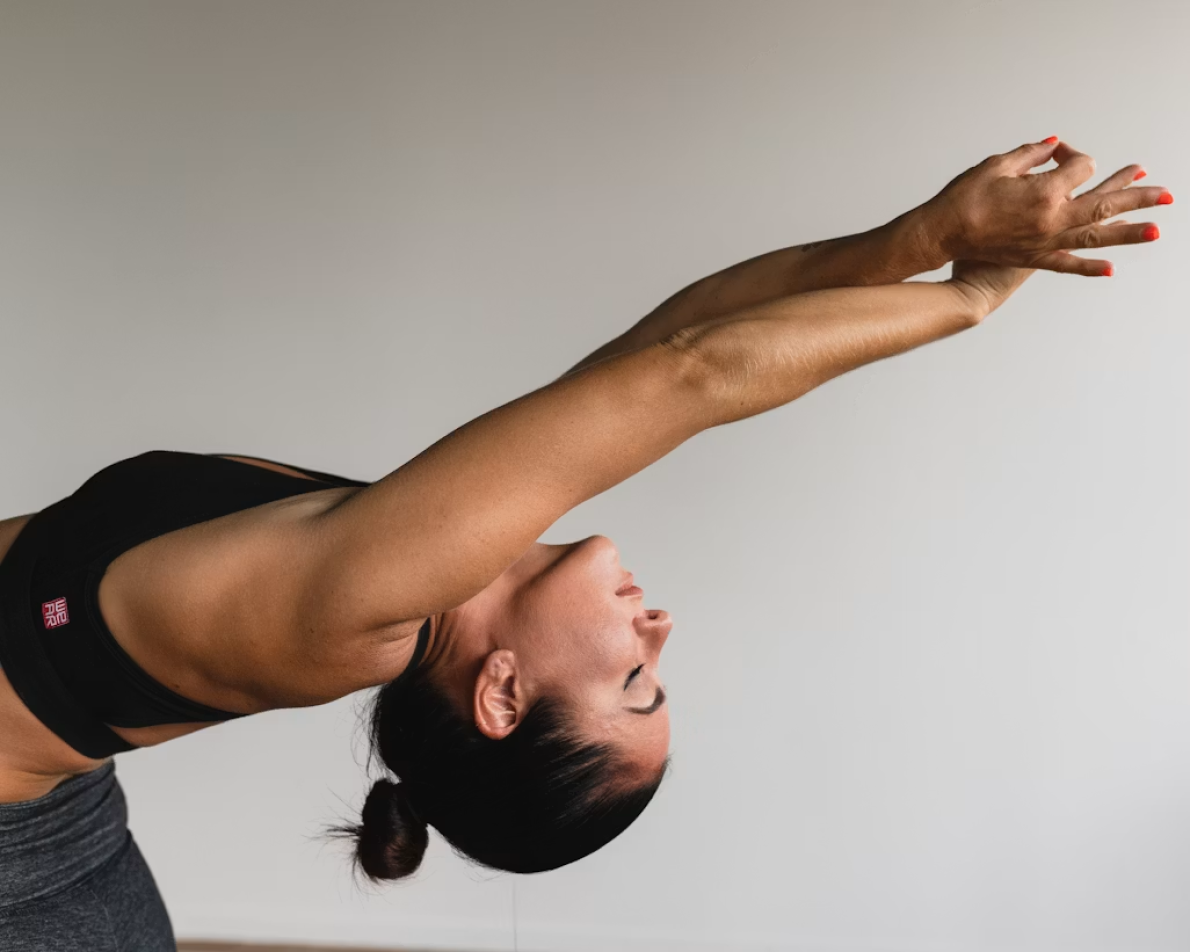
- Yoga: Known for its focus on flexibility and balance, yoga offers poses that target every major muscle group. A beginner or gentle yoga class can provide a safe and effective way to gradually increase your range of motion.
- Tai Chi: This gentle martial art involves slow, flowing movements that improve balance, flexibility, and body awareness without putting stress on the joints.
- Foam Rolling: Using a foam roller can help release muscle knots and improve tissue elasticity, acting as a form of self-massage.
Start slowly and listen to your body. The aim is to feel a gentle stretch, not sharp pain. A few minutes of focused movement each day can make a world of difference in how you feel and move.
It’s encouraging to know that stiffness isn’t a life sentence. With the right combination of professional guidance and consistent personal effort, you can improve your flexibility and get back to moving with ease and confidence.