
Storms can be stressful for homeowners. They will not only test the integrity of your home, but will also reveal whether you have been falling short on home maintenance. The combination of strong winds, large amounts of rainfall and saturated soil creates immense pressure on the structural components and systems in a home. Maintaining your home before a storm arrives will help prevent costly damage, ensure the safety, efficiency and comfort of your home and the people inside during inclement weather.
Below are five essential areas that deserve closer attention when storms are on the horizon.
Via Unsplash
Roof and Gutter Resilience
The roof is one’s primary defence against the elements. While it may seem insignificant, even small issues will rapidly increase in severity during heavy rain and high wind. Prioritising checking for loose tiles, cracked flashing, and worn seals before the storm season starts is critical.
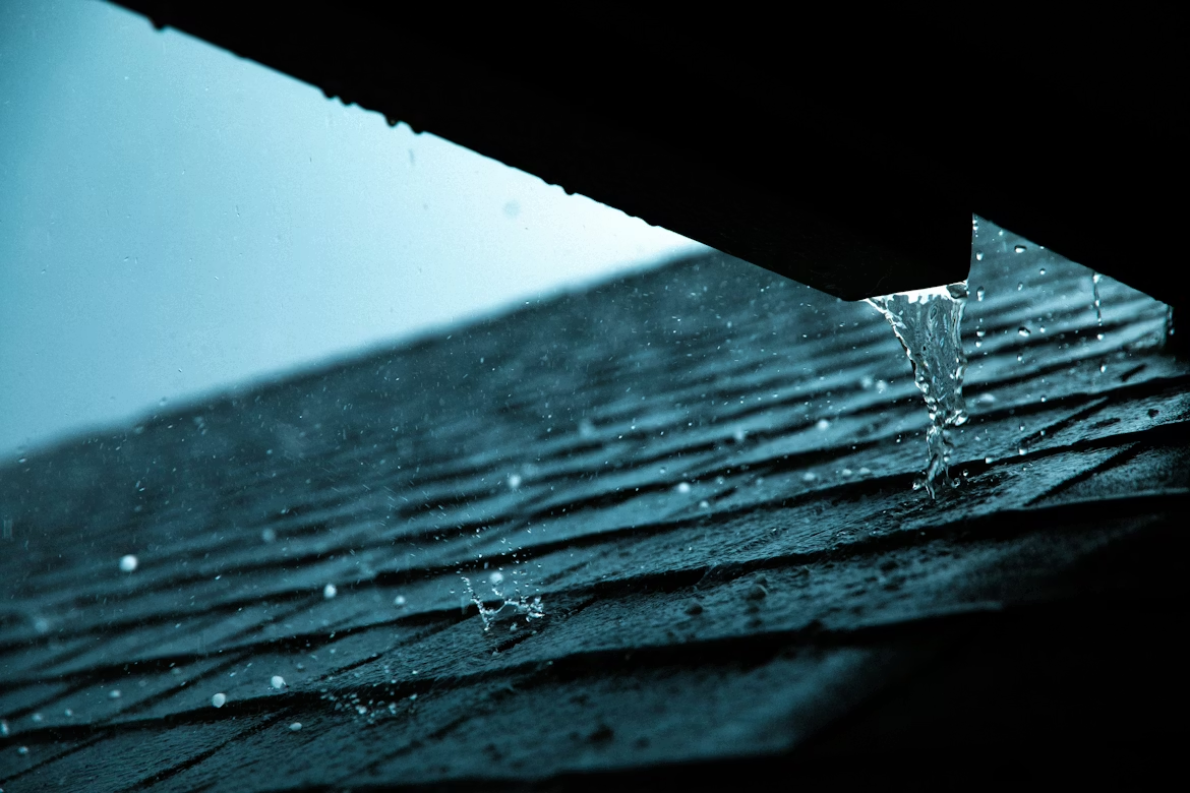
Equally important are gutters and downpipes. These systems are designed to direct rainwater safely away from your house; however, these areas are prone to getting clogged. If the gutters become clogged with debris, they will begin to overflow, causing water to seep into your walls or collect at the base of your home. The best way to ensure that you are able to avoid potential leaks and structural damage to your home is to regularly clear out debris from your gutters.
Drainage and Groundwater Control
Storms bring heavy rainfall that can easily flood a storm drain system if you haven’t been keeping up with the maintenance. Water standing around your home can be much more than an annoyance – it can also reduce the strength of a foundation and cause long-term structural problems.
Re-grading soil, adding additional downspout extensions and regularly cleaning out outdoor drains will significantly improve the amount of water that gathers in front of your home. Improper drainage allows water to gather around your property and can potentially harm underground plumbing systems, which require balanced soil conditions to operate properly.
Outdoor Areas and Structural Stability
Heavy winds can quickly turn loose outdoor objects and excessive vegetation into potential hazards. Loose garden furniture, dead tree limbs and unsecured items have the capability to do significant damage once a strong wind hits.
Removing dead tree branches and securing other outdoor items will lower the odds of impact damage. You should also check for cracks in walkways, fences and walls to ensure that your home’s structure is ready to withstand a storm.
Plumbing and Waste Systems
Storm conditions can place unexpected strain on your home’s plumbing. Increased water usage and saturated ground can affect how efficiently systems operate, particularly in properties using onsite wastewater solutions.
Arranging for a septic tank pump out before peak storm periods is a practical step that many homeowners overlook. When tanks are near capacity, heavy rain can reduce drainage efficiency, increasing the risk of backups or overflow. Regular maintenance, including inspections and timely servicing, helps maintain proper function and avoids unpleasant disruptions during severe weather.
Interior Checks and Preventive Care
While external maintenance often takes priority, the inside of your home also deserves attention. Checking for leaks, testing smoke alarms and ensuring electrical systems are protected from surges. This will all contribute to storm readiness.
Small preventative actions like sealing gaps around windows or inspecting ceilings for early signs of water ingress can prevent larger problems later. Storm preparation is not only about reacting to weather warnings, but it is also about creating a home environment that can withstand pressure without compromise.
A Smarter Approach to Storm Season
Storm season does not have to be a source of stress. With thoughtful maintenance and timely action, homeowners can significantly reduce risks and improve long-term property performance. By focusing on key areas such as roofing, drainage, outdoor stability, plumbing and interior care, you build a home that is not only prepared but resilient.
Consistency is what makes the difference. When maintenance becomes part of your routine, your home is always one step ahead of the next storm.