
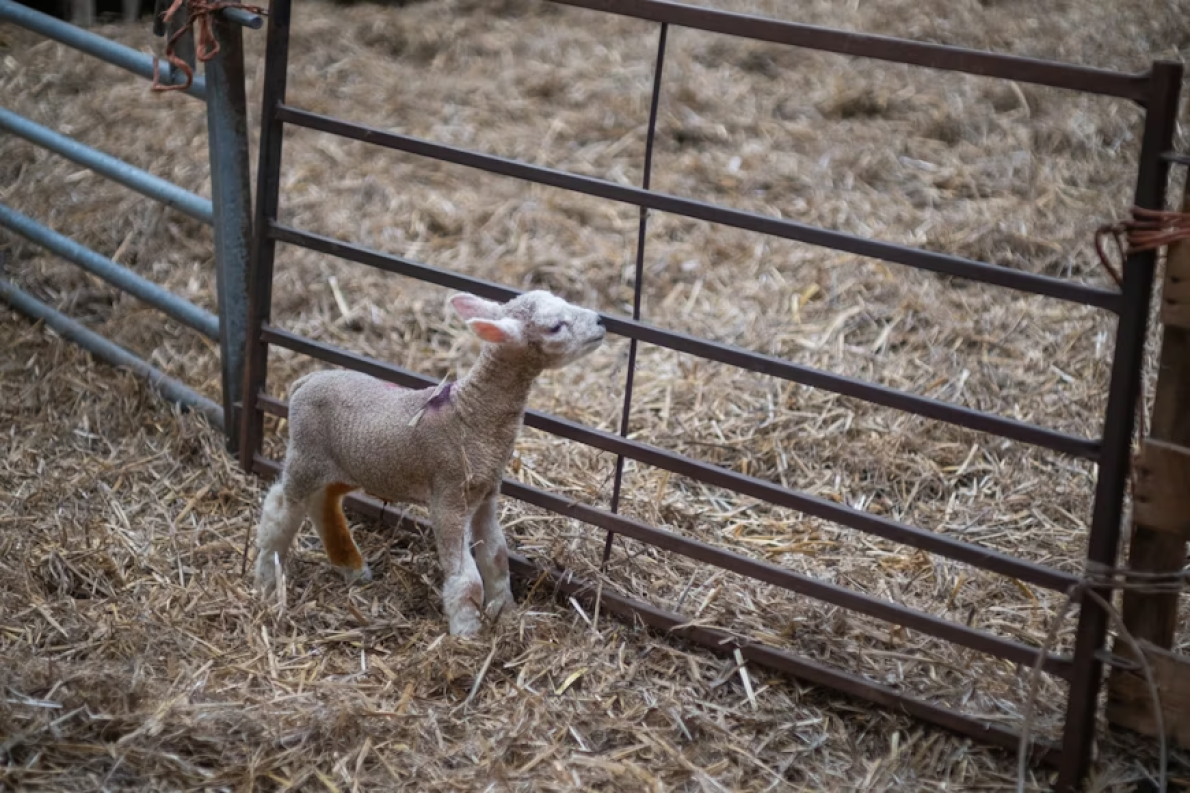
If you run a family business involving livestock, things aren’t always straightforward. Even if you have a goal to provide fresh meat or eggs or manure for people’s gardening, it can be challenging to get this type of business model right. Animals that don’t always behave predictably
Fortunately, if you’re in this position, this guide is here to help. We look at how to get family livestock rearing right so that you can enjoy the most profitable and successful business.
Be realistic in your planning
The first thing you’ll want to do is be realistic in your planning. You need to be clear on what you want your livestock to produce for you. For most small-scale operations, this will be eggs, meat, or milk; however, you could be using animals for other purposes, like providing manure to local garden centres or managing the land.
Our tip is to start small and, instead of taking on a large amount of risk, begin with only a few amounts and then build up from there to see how everything works and the time that it will take up.
Choose the right livestock setup
Next, you’ll want to choose the right type of livestock set up. The animals that you keep need to match your climate, experience, space, and goals.
For example, you might want to start with chickens. These are the easiest to manage and can provide you with a regular supply of eggs that you can sell. Rabbits are another option if you want fast and easy meat production. Pigs and cattle are more complex, and you’ll need between two and four acres per cow and calf pairing for grazing, meaning that you will often require a lot of land. Pigs are excellent at creating meat, but they’re also destructive, so be careful if you have these on your property.
Provide proper housing and fencing
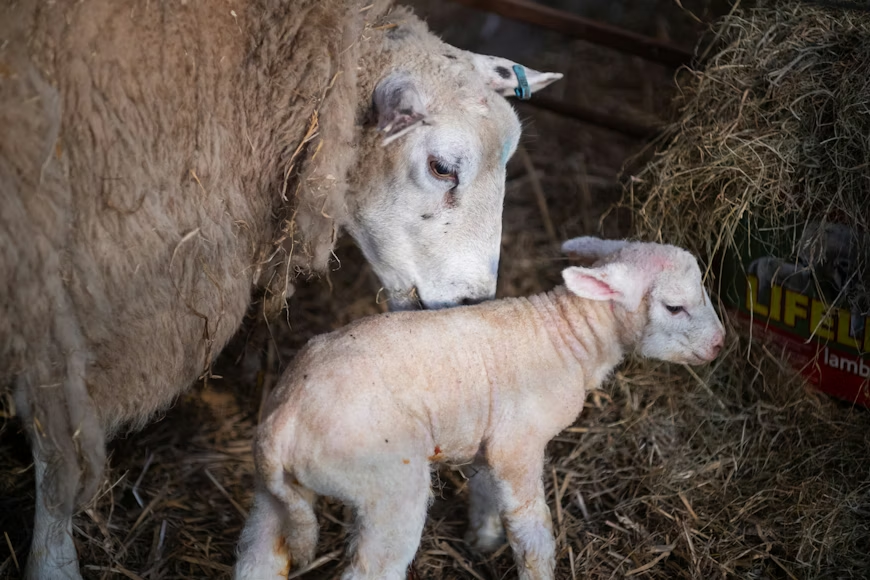
You’ll also need to provide proper housing and fencing for your animals. This should shelter them from predators, weather, and stress. Make sure that any interior areas are ventilated and dry, especially for cattle and pigs. If you need to erect tarpaulins to keep the rain out, then do so.
You’ll also need to make sure you have fencing that is predator-proof. Even larger animals can be susceptible to foxes, but particularly chickens and ducks. Make sure that any wire mesh that you put around your property is of sufficient grade to keep specific predators out.
Finally, keep bedding and straw clean and dry in indoor areas. If you don’t change it regularly, it can lead to infection and health problems.
Get nutrition and feeding right
Lastly, you’ll need to get nutrition and feeding right. Provide your animals with plenty of quality hay, grains, and commercial feeds as required. Always provide plenty of fresh water, filtered if possible, and add vitamins and minerals that your particular animals need. Do what you can to prevent overgrazing, as this can reduce the quality of the land and lead to nutrient deficiencies in animals.