
Image Credit: Unsplash
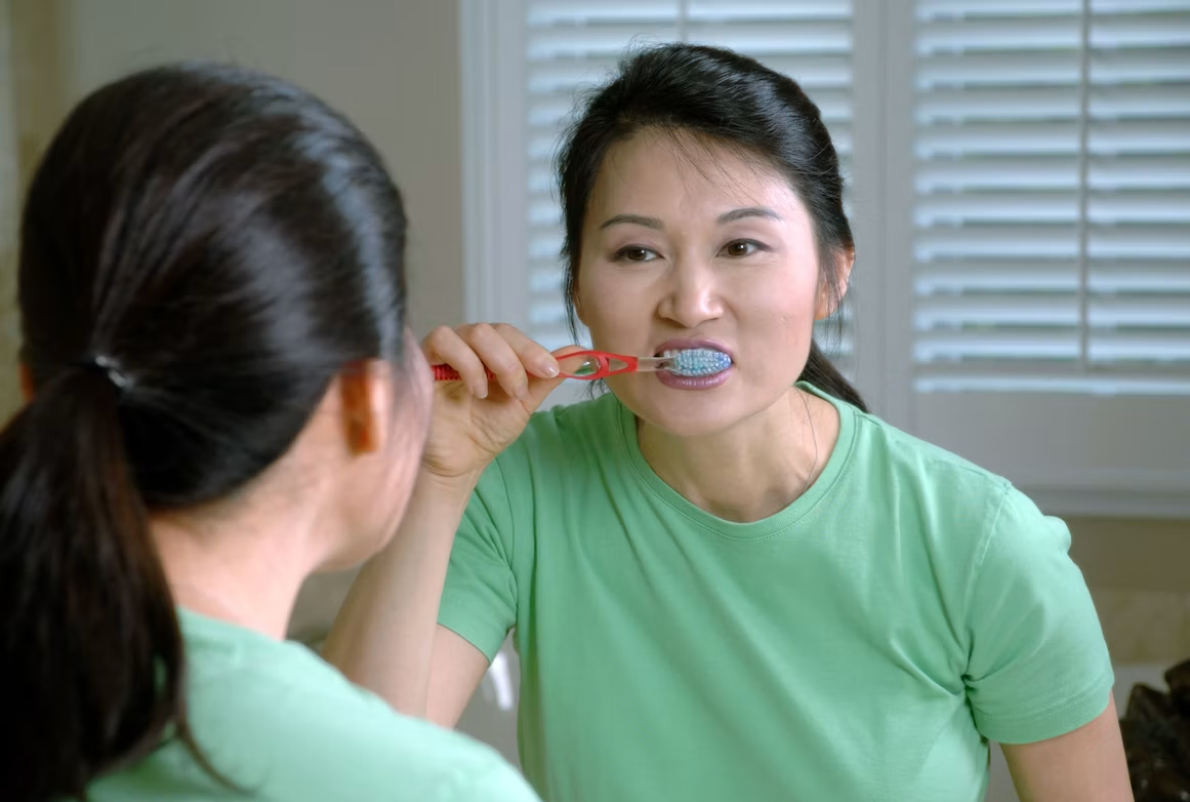
You brush your teeth twice a day, but is that enough for a healthy smile? Consistent brushing is key for good oral hygiene, but many common mistakes can actually undo your efforts. Lots of people unknowingly damage their teeth and gums through simple, everyday habits. Understanding these pitfalls is the first step to fixing them and making sure your dental health routine is truly effective.
Are You Brushing Too Hard?
It might seem logical that brushing harder would make your teeth cleaner, but often the opposite is true. Brushing too aggressively can wear down your tooth enamel, which is the hard, protective outer layer of your teeth. Over time, this erosion can make your teeth more sensitive and increase your risk of cavities. It can also cause your gums to recede, exposing the delicate roots of your teeth.
A good rule of thumb is to hold your toothbrush with the same gentle pressure you’d use to hold a pen. Choose a soft-bristled brush, which cleans just as well without causing damage. If your bristles are flattening or splaying out after only a few weeks, you’re probably brushing too hard. If you’re worried about enamel wear or gum irritation, always ask your dentist for personalized advice.
Flossing Fails and How to Fix Them
Flossing is essential for removing plaque and food particles from between your teeth, places your toothbrush can’t reach. But if you use the wrong technique, it might not work or could even cause harm. One common mistake is “snapping” the floss down onto your gums, which can irritate them and cause bleeding. Another is reusing the same small section of floss for your whole mouth, which just spreads bacteria from one area to another.
To floss correctly, use about 18 inches of floss. Wrap most of it around one middle finger and a small amount around the other. Gently guide the floss between your teeth with a rubbing motion. When it reaches the gum line, curve it into a C-shape against one tooth and slide it into the space between the gum and the tooth. This technique is crucial for preventing the early stages of gum disease. Use a clean section of floss for each tooth.
Diet’s Surprising Impact on Teeth
What you eat and drink directly and significantly affects your oral health. While most people know sugar causes cavities, many don’t realize how much damage acidity can do. Foods and drinks like citrus fruits, sodas, and sports drinks can erode tooth enamel. The combination of sugar and acid in many sugary drinks and acidic foods is especially destructive.
To lessen the impact, try to limit how often you have these items. When you do have something acidic or sugary, drink a glass of water afterward to help rinse your mouth and neutralize the acid. Waiting about 30 minutes before brushing is also a good idea, because brushing right after an acidic meal can scrub away weakened enamel. Eating crunchy, fiber-rich fruits and vegetables like apples and carrots can also help clean your teeth naturally.
When to See Your Dental Professional
Regular six-month checkups and cleanings are important, but they aren’t the only times you should see a dental professional. Some symptoms mean you should make an appointment sooner. Don’t ignore persistent tooth pain, even if it comes and goes. Gums that bleed easily when you brush or floss are another red flag you shouldn’t overlook.
Other signs that you should book a visit include increased sensitivity to hot or cold temperatures, a loose permanent tooth, or chronic bad breath that doesn’t get better with brushing and flossing. Addressing these issues early can often prevent more complex and expensive treatments later on. Your dental team is there to help you maintain your oral health, not just to fix problems once they’ve started.
Protecting Your Smile Long-Term
Beyond daily habits, long-term protection means being careful about how you use your teeth. One of the most common ways people damage their teeth is by using them as tools, like to open packages, tear tape, or crack nuts. This can easily lead to chips, cracks, or fractures.
If you play contact sports, wearing a custom-fitted mouthguard is one of the best ways to prevent dental injuries. Another common issue is bruxism, or teeth grinding, which often happens during sleep. Over time, grinding can wear down teeth, cause jaw pain, and lead to headaches. If you think you grind your teeth, a dental professional can diagnose the problem and might recommend a nightguard to protect your smile while you sleep.
Making small, consistent changes to your daily routine can greatly impact the long-term health of your teeth and gums. It’s about working smarter, not harder, to protect your smile for years to come.