Accidents are, sadly, part of life, and there’s not always a way to avoid them. You can be the most cautious person in the world, but all it takes is a split second for something catastrophic to happen. When an accident does occur, it’s not always a problem, and you may escape without being hurt. Or you end up with a serious injury that makes everything in life more difficult.
Whether your injury is temporary or causes permanent damage, you must look for ways to make the most out of a bad situation. Be positive and seek help so you can either get back to your old way of life or learn how to deal with this new change. It may suck, for sure, but these three types of therapy can help:
Physical Therapy
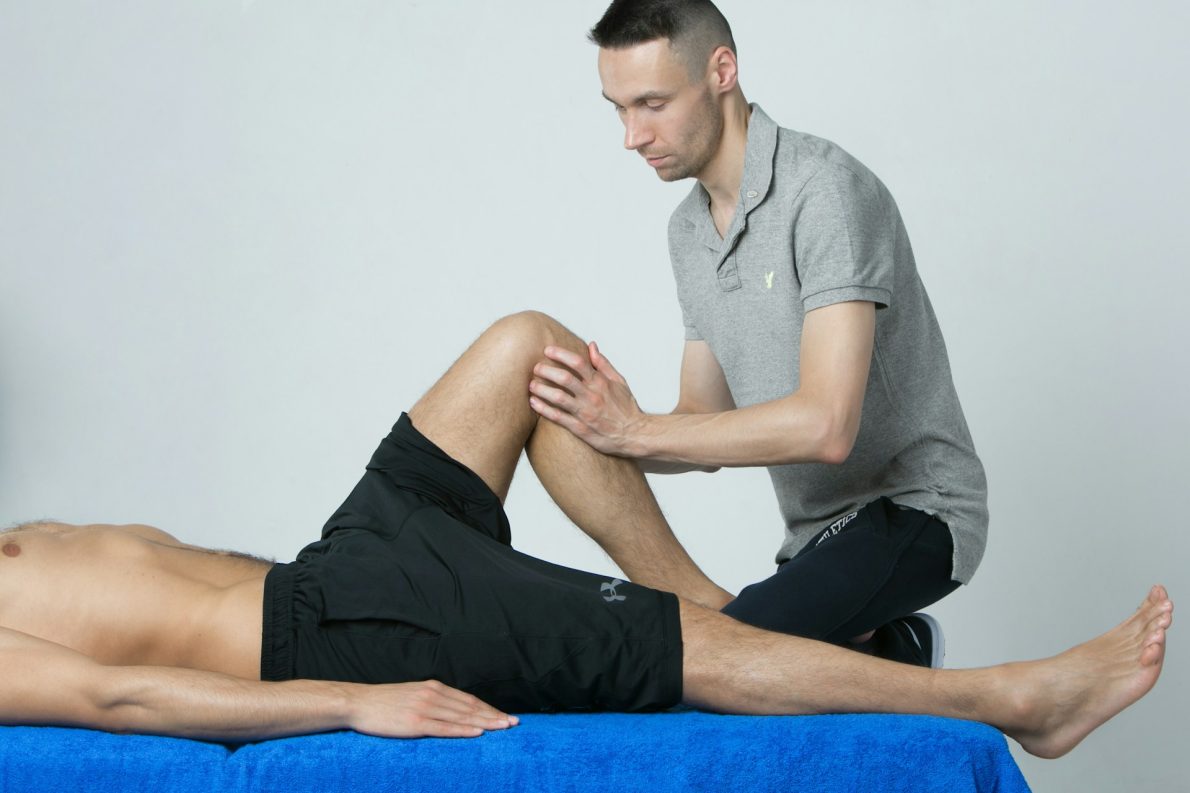
When you suffer an injury, physical therapy exists to help you recover from the physical consequences. For instance, if you slip and fall while running and break your leg, physical therapy will involve a series of rehabilitation exercises and routines built around helping your leg heal, strengthening the muscles around the broken bone, and so on.
It’s the key to recovering from an injury and preventing it from either happening again or getting worse. You can also use physical therapy to help you gradually start working out again after your injury. People with injuries that have led to permanent disabilities may also use physical therapy to help with things like pain management – or to prevent muscles from wasting away unused.
Occupational Therapy
Now, occupational therapy is a form of therapy that focuses more on helping you deal with daily activities after an injury. Even if your injury hasn’t led to permanent physical problems, this type of therapy can assist you with basic tasks like:
- Dressing
- Cleaning
- Cooking
- Showering
- Working
The key goal is to help you be as independent as possible so you can adapt to life with your injury. It is mainly for people with either permanent injuries or an injury that’s caused a permanent disability, so if you’re struggling to do things that used to be easy, this could be a great treatment option.
Mental Health Therapy
By mental health therapy we mean any type of therapy that targets your mental wellbeing. This can be:
- Counselling
- Support groups
- Psychotherapy
- CBT
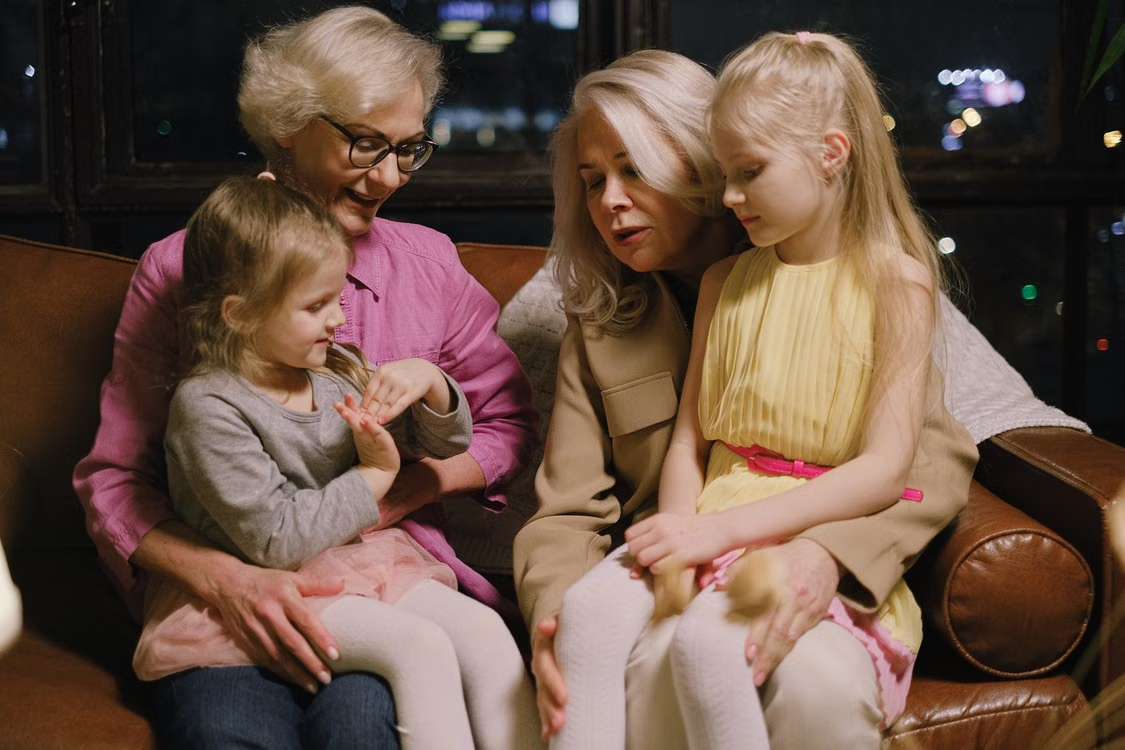
You forget that injuries impact your mental health just as much as the phyiscal side of things. Part of the struggle is trying to remain mentally upbeat when you can no longer do the things you love. It’s especially troublesome for professional sportspeople who get injured, or individuals who suffer a life-altering injury. If you can use therapy to help with the mental side of injuries, then your recovery will feel much easier and you’ll have a more positive outlook on life.
Will everyone with an injury need all three types of therapy? No. It’s totally dependent on your injury and the situation you find yourself in. For some, it could be a simple case of going to physical therapy for a few weeks before they’re back to normal. For others, it could involve a much longer road that combines all three therapies.